Computer skills from scratch·The first sitting·Lesson 7 of 180
The link you should not open
 Ellis Dennis GrahamFounder, Cyber Elias Academy 2026-01-28 5 min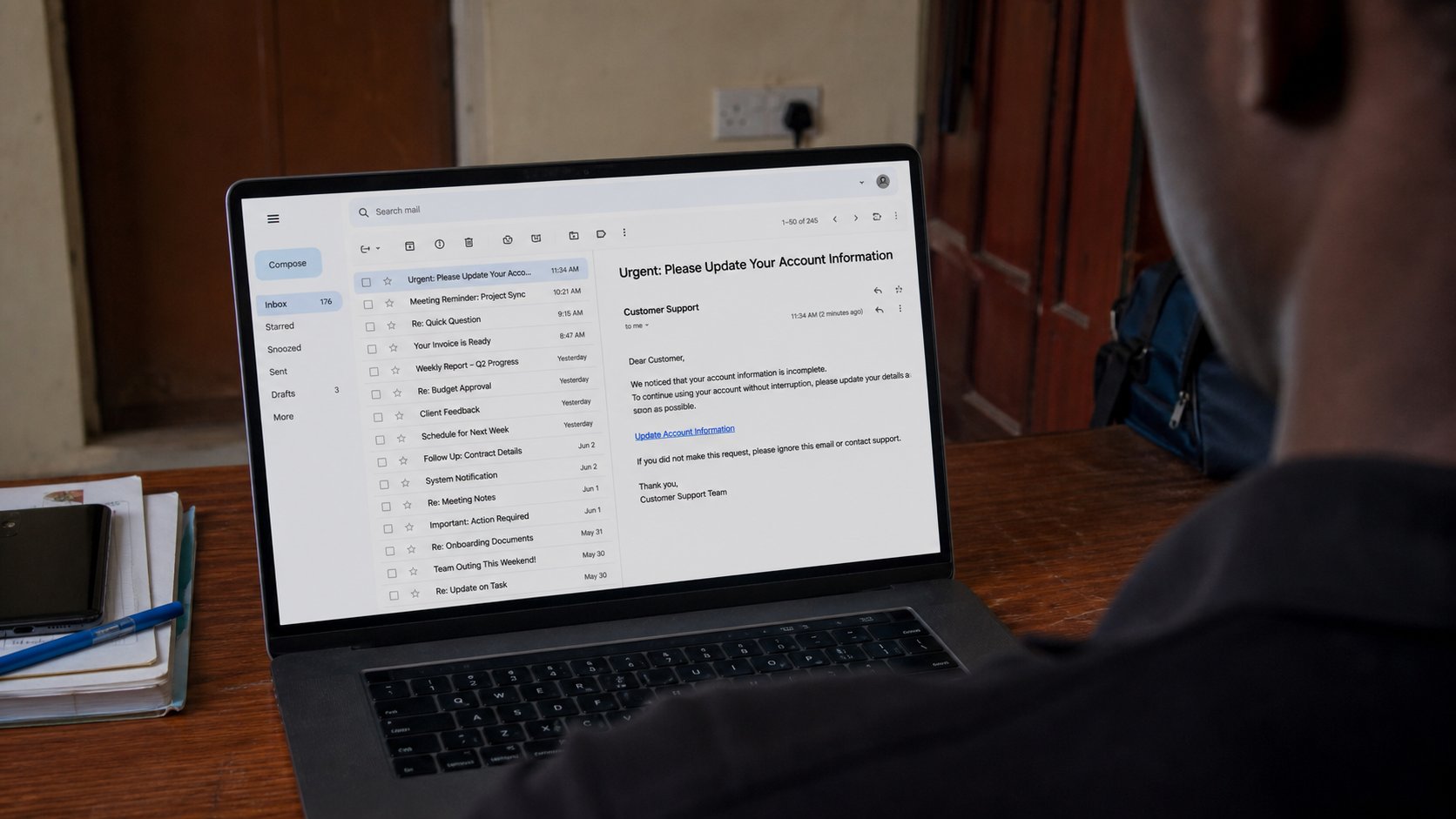
Hurry is the bait. A real bank already knows you. Open a new tab and walk there yourself. If the story was true, it will still be true on the real street.
The trap has a shape. A message arrives with your name, a familiar colour, and a clock. Your account will close. A parcel is held. A job is waiting. A relative is stranded. The button is large. The English is almost right. Your hands want to tap before your head has sat down. That hurry is the product. This lesson is how to sit down anyway.
People call this phishing when it comes as email, and the same play arrives on WhatsApp, SMS, and Facebook. The name does not matter. The move is the same: they want you to walk through their door while thinking it is the bank's. Once you type a password or a BVN or an OTP into their page, they have the key. The page can look finished. A padlock can sit in the address bar. A padlock means the tunnel is encrypted. It does not mean the building is the bank.
Three tells you can see without clicking
Look at the sender the way you look at a stamp. A bank's real mail comes from an address that ends in the bank's own house, not from a free gmail with the bank's name in the display. Display names are costumes. The address behind them is the street. On a phone, tap the name to expand it. On a computer, hover or click once. If the street is strange, you are done. You do not need to open the letter to know the stamp is wrong.
Look at the ask. Real institutions already have your details. They do not need you to “confirm your BVN to keep this account.” They do not need a photograph of your ATM card, front and back. They do not need the code that just arrived on your phone — that code is a one-time key, and anyone who asks you to read it out is asking you to open the door from inside. A job that wants a “processing fee” before you start is not a job.
Look at the clock. “Within 30 minutes or your account closes” is theatre. Banks do not close accounts by WhatsApp. Couriers do not hold parcels behind a random link. If there is a genuine problem, it will still be there in an hour, on the number or the website you already use. Hurry is not a feature of serious offices. It is a feature of thieves.
Walk there yourself
This is the whole defence, and it fits in one habit. Do not use the link in the message. Open a new tab. Type the address you already trust, or use the bookmark you saved on a calm day, or open the bank's own app from your phone's home screen — the icon you installed, not a new one the message suggested. If the story was true, the real site will show it. If the story was a trap, the real site will be quiet, and you will have lost nothing but a minute.
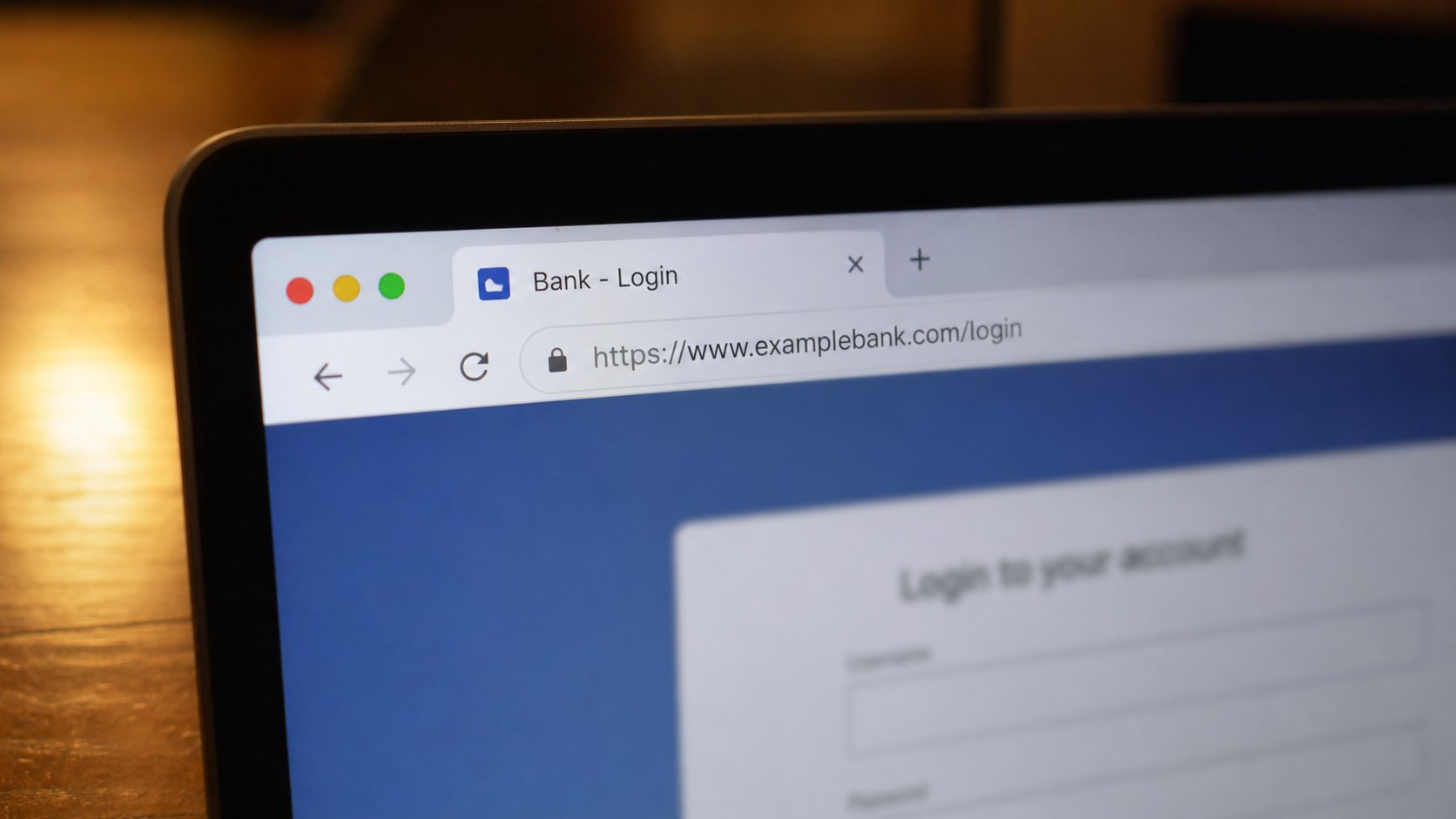
When you must look at a link, look at the street in the address bar after the page opens, before you type anything. The important part is the name just before the first slash, the house. firstbank.com is not firstbank.com.ru is not first-bank-secure.xyz. You do not need to memorise every fake. You need to know your real ones: the bank you actually use, the exam body, the academy, the mail you signed up with. Write those few addresses in the same notebook as the password hints.
- Open yesterday's mail or WhatsApp. Find one message that asked you to tap a button.
- Do not tap it. Read the sender. Read the ask. Read the clock.
- Open a new tab and type the real address yourself, or open the real app.
- Compare. If the real place is silent, the message was noise. Delete it. If you already tapped one last month, change the email password from the real site, then the bank.
If you already tapped
Stop typing. Do not “finish the form.” Close the tab. On your phone, do not call the number in the message. From a number you already have — the back of the card, the app, a printed receipt — tell the bank what happened. Change the email password first, because that is the master door, then the bank password, then any other house that used the same key. If money moved, the bank's fraud line is the next call, not a helper in the comment section of Facebook.
Shame is how these traps finish the job. People hide the mistake until the account is empty. The academy would rather you say “I tapped” on the same day than “I think something is wrong” three weeks later. You are not the first. The lesson is the walk: new tab, real street, then maybe the story is true. Everything else can wait.