Computer skills from scratch·The pocket and the purse·Lesson 162 of 180
The deductions on your line
 Ellis Dennis GrahamFounder, Cyber Elias Academy 2026-08-22 4 min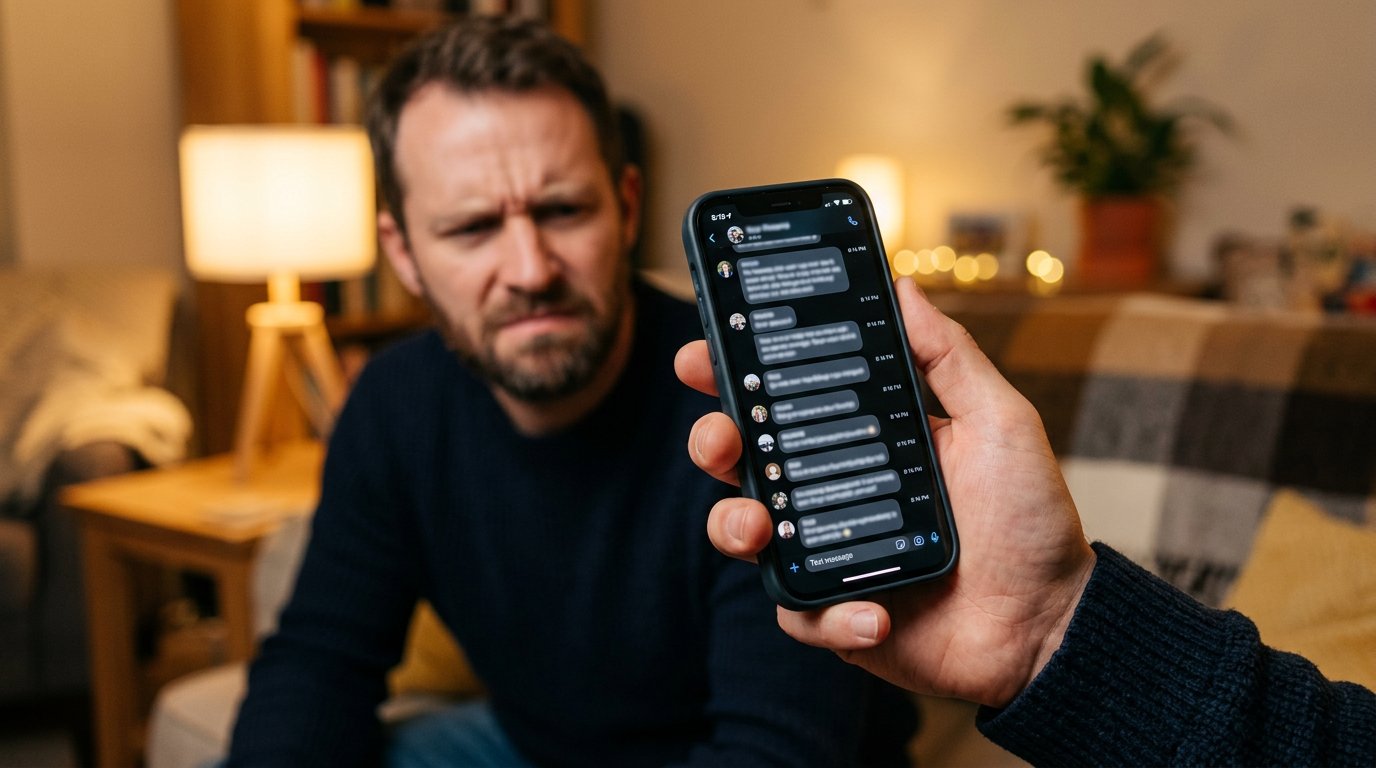
Fifty naira here, twenty there, and the airtime is gone by Wednesday. The quiet subscriptions eating your line, how to see them, how to stop them, and the doors they walked in through.
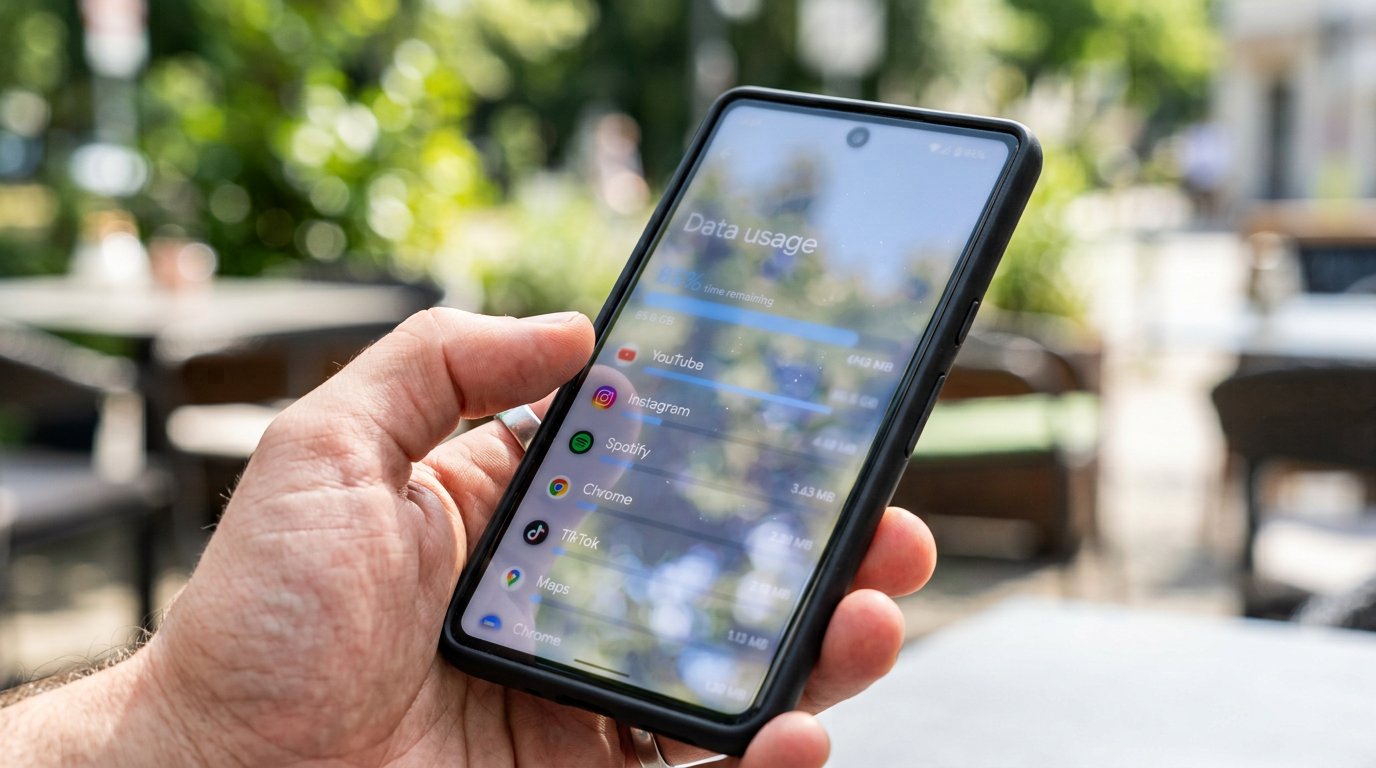
Load two thousand naira of airtime on Sunday, and by Wednesday the balance is a rumour. You made three calls. The rest leaked — fifty naira to a ringback tune you never chose, twenty naira a day to a news service that arrived as a quiz, a weekly bundle that renewed itself like rent, a game you do not remember opening. The networks call these value-added services. The street calls them what they are: the quiet deductions, the smallest recurring scam in the country that is also, annoyingly, mostly legal — because somewhere in a long message you did not finish reading, a door was opened and left that way.
Doors open in three ordinary ways. The reply: you answered a promo text with a number — one, to claim; the fine print made it a yes to a daily subscription. The link: a message promised a bundle and the page you opened had an accept button wearing a costume. And the code: a forward said dial this to win, and the forward was a subscription wearing confetti. None of these feel like signing a contract. All of them are. Which is why the first skill is not stopping — it is seeing. Check the balance on a fixed day, the books lesson's habit applied to airtime: before, after, and the difference is the story. Then ask the line what it is carrying — every network has a way to list active services, and the honest list lives in the network's own app or portal, the same source law as the bank's code. What you find there usually explains the leak by name.

Closing the doors, and the fake exits
Stopping is satisfying and mostly easy: in the network's own app or portal, the active services sit in plain view, each with a switch or an unsubscribe — turn everything off that you did not choose on purpose, yesterday. Some services end with a simple text to a short code; the exact word and number come from the network's own pages, never from a forward. And here the fraudsters wait, because they know the country is angry about deductions: a text arrives — your line will be deducted massively, press one to unsubscribe now. Pressing one is not unsubscribing. Pressing one is confirming your line is alive and gullible, and the deductions learn your address. The opt-out comes from the source or it does not happen. Then lock the doors behind you: do not reply to promo messages at all, even to refuse — a reply is a pulse that tells the collector the line is home. Do not dial codes from broadcasts. And turn on the full do-not-disturb — the same switch that gave you quiet in lesson ninety-three also refuses the promo messages at the gate, which is the quietest victory of all.
One more leak deserves its own sentence: the airtime-to-data conversions and the borrow-me services. Borrowed airtime and borrowed data charge back with interest the day you recharge, and a line that borrows monthly is paying a quiet tax. Use them in true emergencies, and watch the claw-back on the next recharge so it does not surprise a budget. The line, like the account, deserves the monthly hour of the books: one balance, one list, one honest purge. Two thousand naira of airtime should make calls for a month. On a clean line, it does.

- Fixed day, every week: check the balance before and after a call. The difference is the story.
- Open the network's own app or portal and read the active-services list. Switch off what you did not choose.
- Never press one on a warning text, never reply to promos, never dial a code from a broadcast. The opt-out scam feeds on anger.
- Full do-not-disturb, on: quiet, and no promo messages at the gate. Then watch a week of balance. This is the whole lesson, working.
The smallest recurring scam
Nobody gets rich stealing fifty naira from a million people — but a million people quietly get poorer, which is the same arithmetic wearing the other trouser. The deductions survive on not-looking, and not-looking is a habit you can simply end. One evening with the network's app, one list switched off, one DND turned on — and the line goes back to being what you paid for: your voice, your data, your money. The next lesson stays with the bundle itself, and asks where the data actually goes by Wednesday.