Computer skills from scratch·Where this leads·Lesson 121 of 180
The cybersecurity analyst, at work
 Ellis Dennis GrahamFounder, Cyber Elias Academy 2026-03-30 3 min
Somebody is paid to sit on the other side of everything these notes taught you — watching, triaging, asking who knocked. What the job actually is, and how a person walks into it.
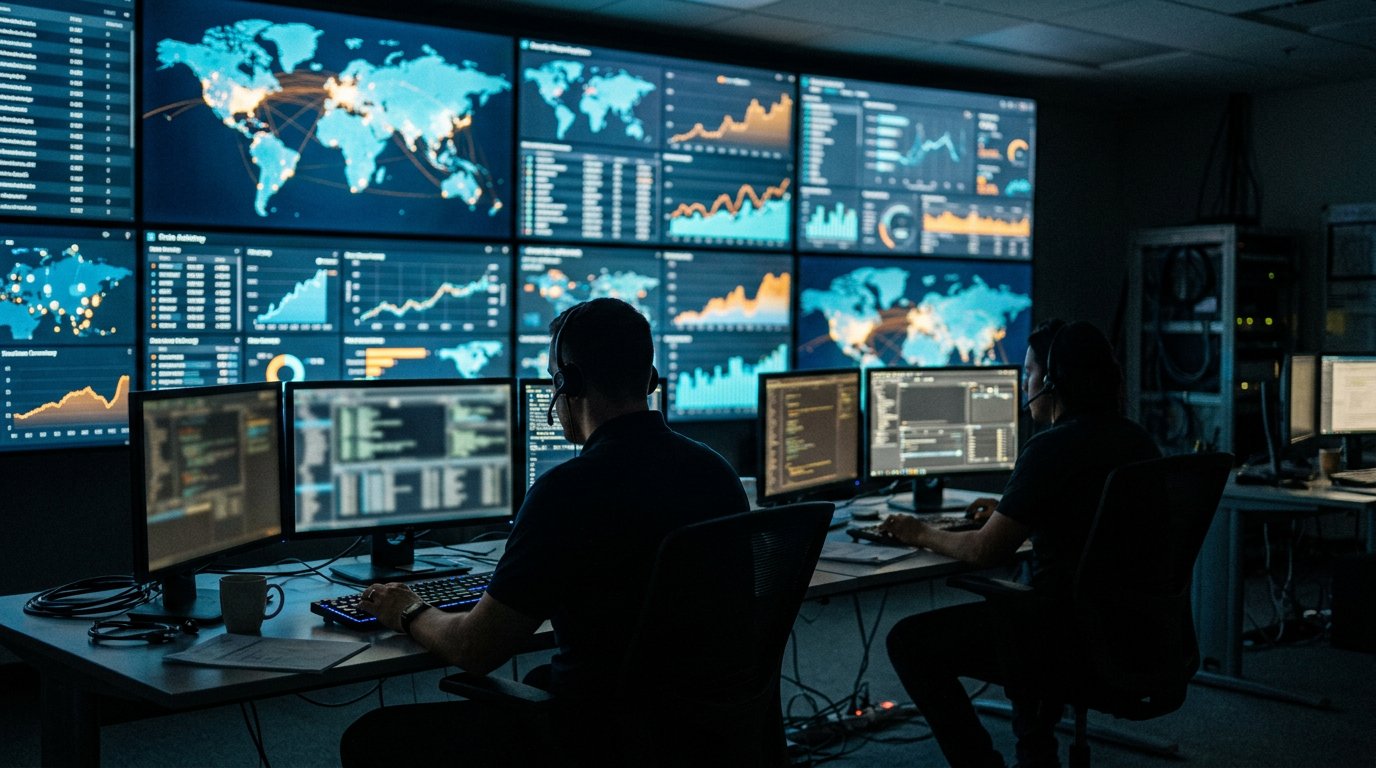
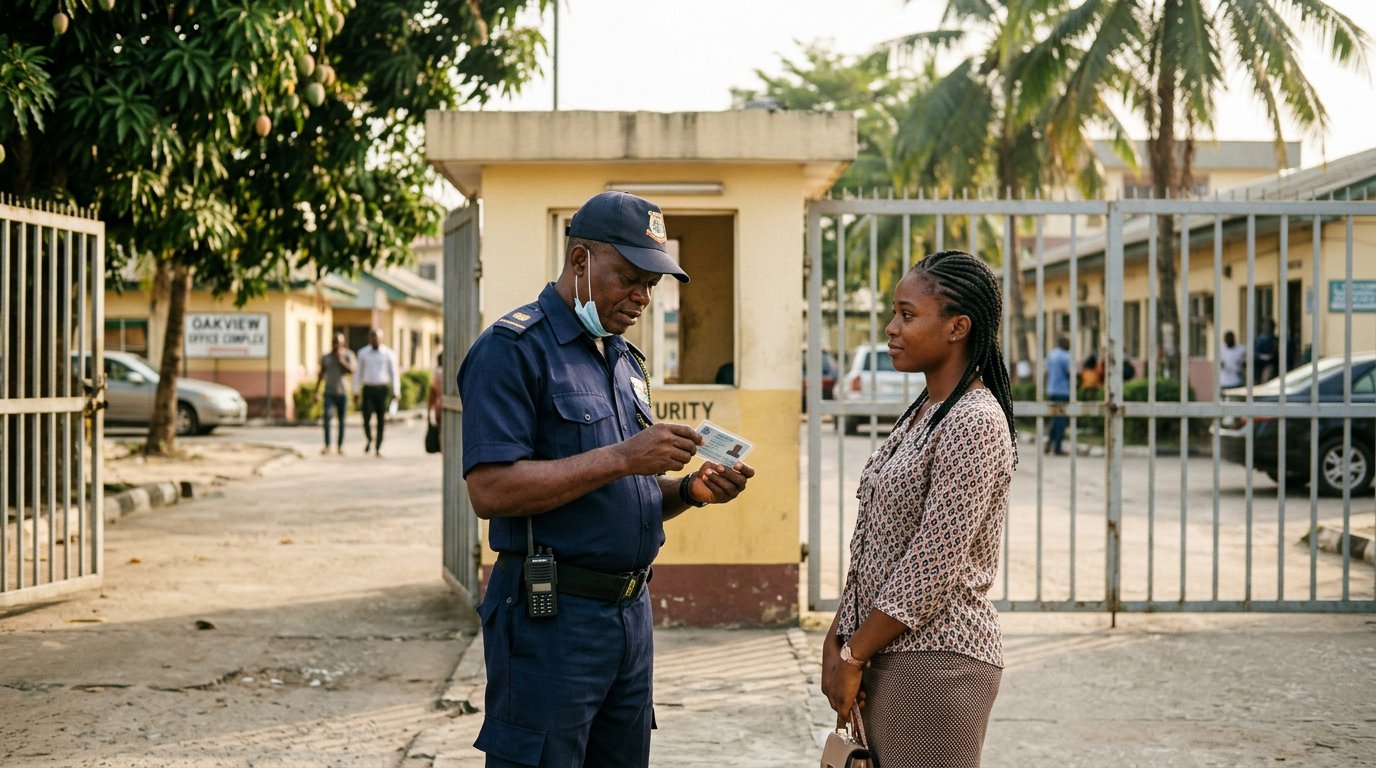
Everything on this shelf has a shadow profession. The OTP lesson, the fake link, the prize that wants a fee — on the other side of each of those sits a person employed to notice: to watch the doors of an organisation the way you learned to watch your own. That person is the cybersecurity analyst, and it is the most common front door into security work anywhere in the world. This chapter of notes opens that door and describes the rooms, because many of you asked what all this care can become.
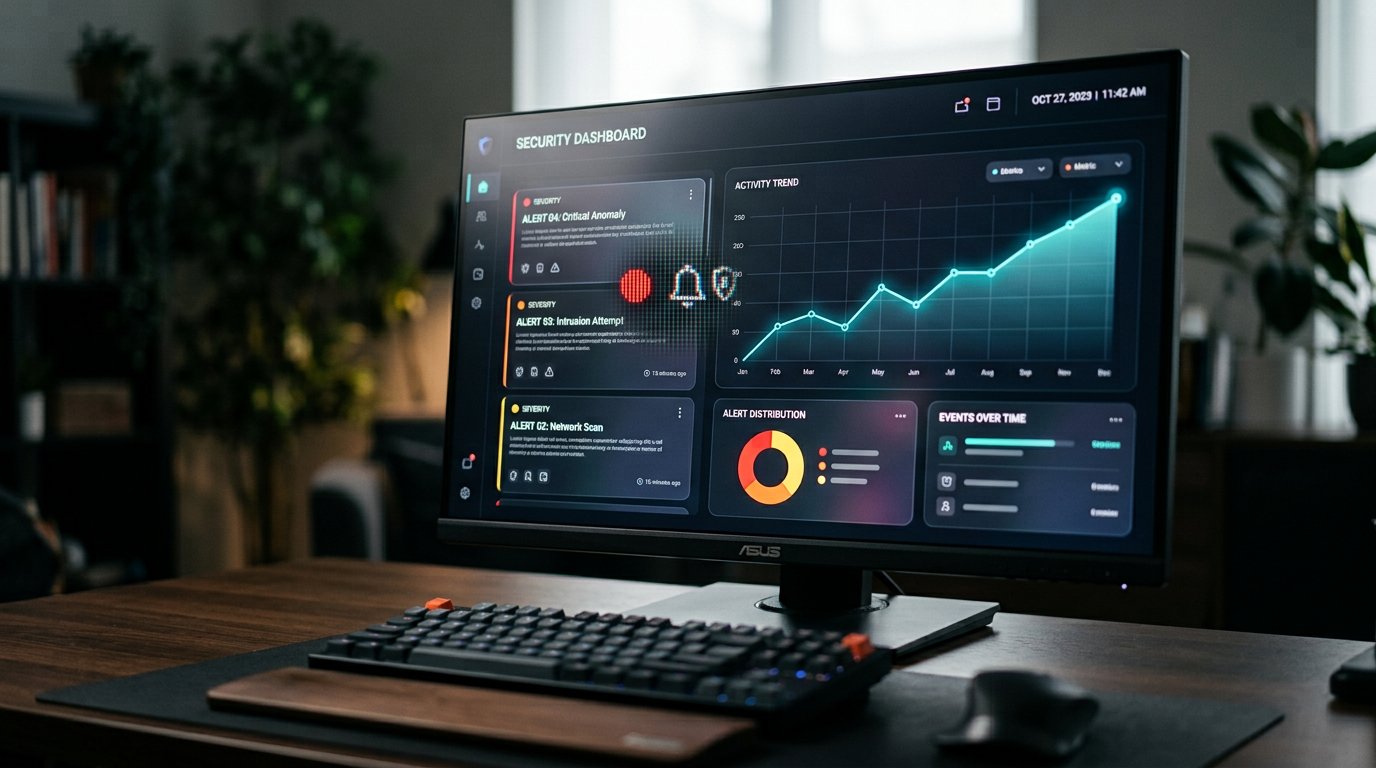
The day, honestly described, is triage. The analyst sits before a queue of alerts — a machine flagged a login from two countries in one hour; a staff member reported an email that smells like the link lesson; a laptop began talking to an address no list can explain. Each alert is a knock. Most knocks are wind: a traveller's VPN, a marketing tool nobody registered, a user who mistyped a password twenty times. The analyst's craft is telling wind from footfalls quickly — checking logs, asking the machine's own records what happened, closing the innocent, and escalating the real ones to people who can pull a cable or reset a kingdom.
What the work actually asks of a person
Not a genius. Curiosity that survives repetition, the patience to read a log the way a nurse reads a chart, and calm — because the day the real incident arrives, the room needs a person who writes the time down. The technical floor is lower than people fear: you must know how computers and networks speak — the rooms, the roads, the logs — and then the watching tools, which the next few lessons name. What cannot be taught later is the disposition these notes have been drilling since lesson six: refuse hurry, verify the channel, write things down.
How a person walks in, from this shelf: the basics you now own, then networking properly, then the security tools, then a first role — often watching and triaging, night shifts included, because attacks keep office hours in every time zone at once. In Nigeria, the ladder is real but the bigger room is remote: an analyst in Port Harcourt with clean fundamentals and honest English can watch doors for a company in Europe or America, paid in the currency of those doors. Certificates open interviews later; the fundamentals open everything first. That is the honest order, and any path that skips it is selling you the certificate's shine.
- Re-read your own notes on links, OTPs and passwords as a professional would: each is a lesson in the attacker's choreography.
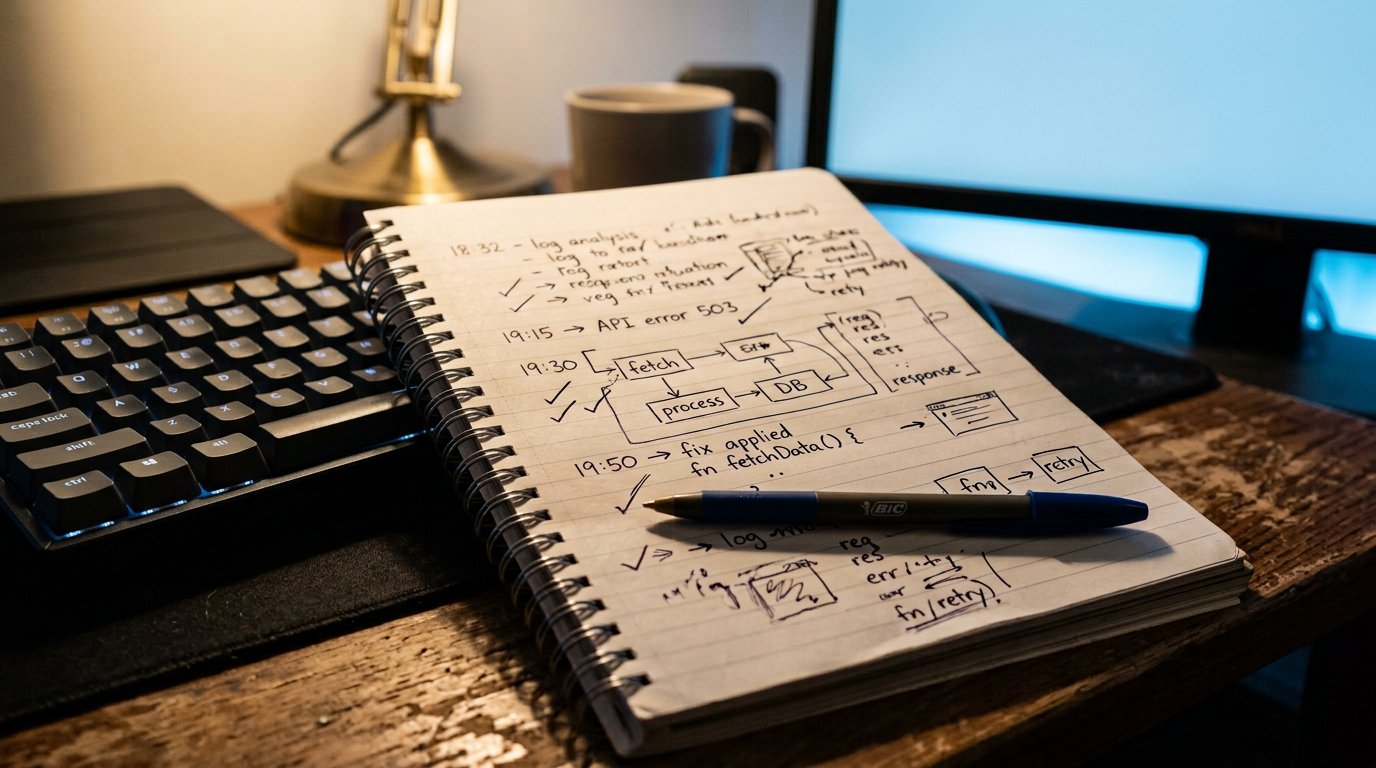
- Learn what a log is — any record a machine keeps of who did what, when. The next three lessons are built on them.
- Follow one reputable security news source for a month. Vocabulary before tools, always.
- If this room pulls at you, say so at the academy. The road from these notes to the watching chair is mapped, and people have walked it.
Why this job exists at all
Because every organisation now keeps its most valuable things in machines, and machines keep honest records of every visitor. Somebody must read those records the way a bank reconciles its till. That is the whole profession in one sentence: reading the records, noticing the visitor who does not reconcile. If you have ever caught yourself re-checking a locked door, you have already felt the shape of the work. The next lesson is the room they watch from.