Computer skills from scratch·Where this leads·Lesson 122 of 180
The room that never sleeps: the SOC
 Ellis Dennis GrahamFounder, Cyber Elias Academy 2026-04-04 4 min
You will hear people say they work in a SOC. Here is the room, the tiers, the shifts — the place where the watching profession actually sits, explained without the mystique.
Say SOC aloud — it is said letter by letter, S-O-C — and know that it means only this: a Security Operations Centre. A room, physical or virtual, where an organisation's security watching is gathered under one roof and one rhythm. If you met the letters in a chat or a job group and could not tell what they meant, hold this meaning and you will rarely be wrong: in working talk, SOC is not slang — it is an acronym with a chair behind it, the watching room. Banks have them. Telcos have them. Some companies do not build their own and instead pay a specialist firm to watch for them, which is called an MSSP, and the analysts inside it watch many doors at once. When a job advert says the role is in a SOC, this is the furniture of that sentence.
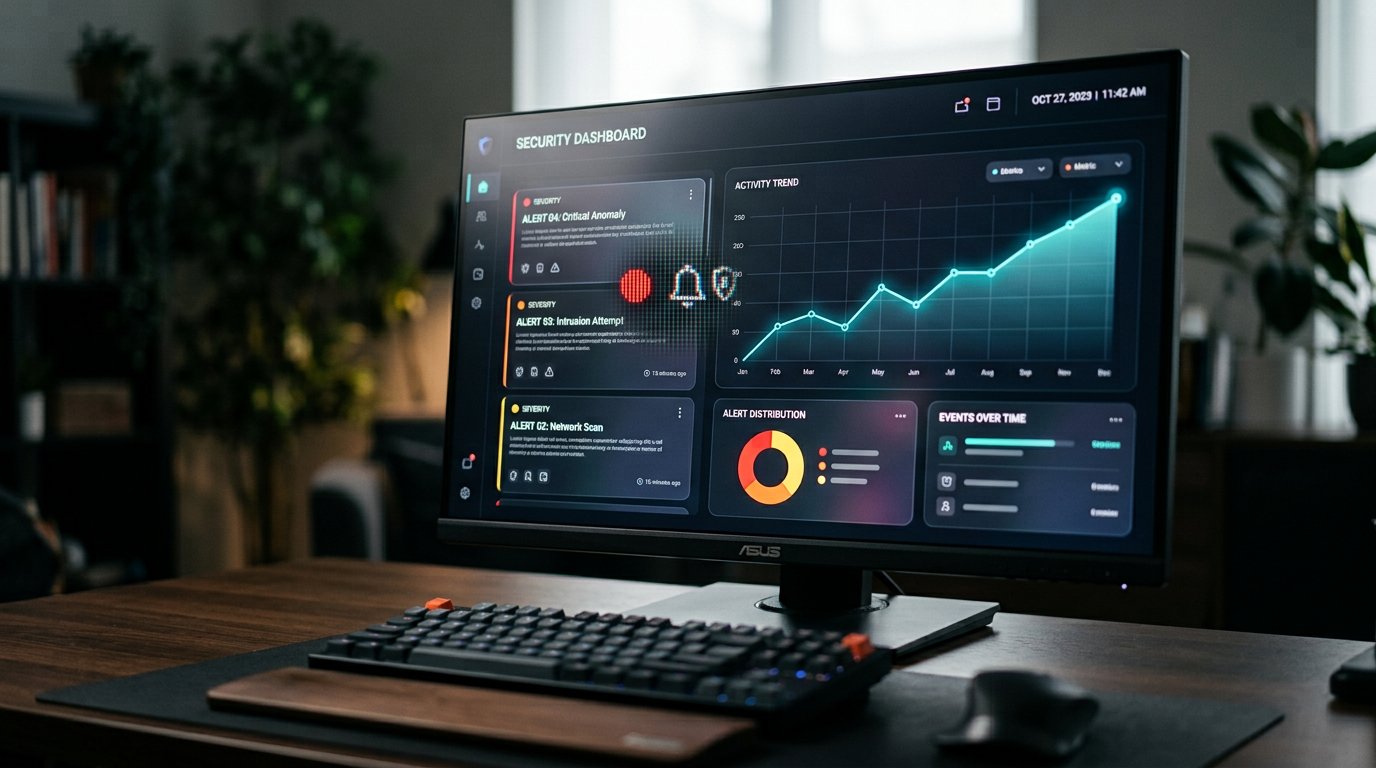
Walk through it, in imagination. A dim room — dim because screens read better in dimness — a wall of displays: a map with dots, a queue of alerts, a chart breathing with the network's traffic. At desks, people in tiers. Tier one sits closest to the queue: the first watch, triaging knocks exactly as the last lesson described, closing wind, raising footfalls. Tier two takes what tier one raises and digs — pulling logs from more rooms, tracing where a thing came from, deciding how sick the machine is. Tier three and the engineers hunt what nobody flagged and build the rules that make the queue wiser. Behind them, an incident manager when the night turns serious: one voice deciding, so ten hands do not pull ten directions.
Shifts, nights, and the shape of the day
Because the internet does not close, the SOC does not close. Analysts work in shifts — days, evenings, nights, rotating — and the night shift is where juniors famously begin, watching while the country sleeps and the probes continue. A shift has its own spine: handover notes read like a relay baton — what happened on the last watch, what is still open, what to keep an eye on; then the queue; then the small projects between knocks, tuning a rule, writing a note that makes tomorrow faster. It is shift work the way nursing is shift work: routine punctuated by genuine emergencies, and measured mostly by whether you noticed in time.
What the room watches with is named across the next two lessons: the SIEM — the giant ledger that collects every machine's records and raises the queue — and the checks and scans that keep the fence honest. Do not let the acronyms intimidate the picture. The SOC is this: one room, one ledger, one queue of knocks, and people in tiers deciding wind from footfall, all night, every night, in shifts. Everything else is furniture.

- When you see SOC in an advert, read it as: shift work, tiers, triage first. Adjust your expectations honestly.
- Night shifts are an entry, not a sentence. Learn the queue by night, grow into the hunt by day.
- The handover note is a craft. practise writing one clear paragraph about one alert.
- Every habit these notes taught — patience, notes, channel-checking — is SOC temperament in civilian clothes.
Is the room for you?
If you loved the locking lessons — if the second lock felt like a puzzle you would happily own — the SOC will feel like home with a salary. If you need quiet and long unhurried building, say, making things rather than watching for their breakers — then the developer rooms later in this chapter will fit better, and nobody should pretend otherwise. Security watching is a temperament before it is a career. The shelf is wide. Walk it with your eyes open.