Computer skills from scratch·The wider street·Lesson 113 of 180
Selling the thing you own
 Ellis Dennis GrahamFounder, Cyber Elias Academy 2026-02-23 3 min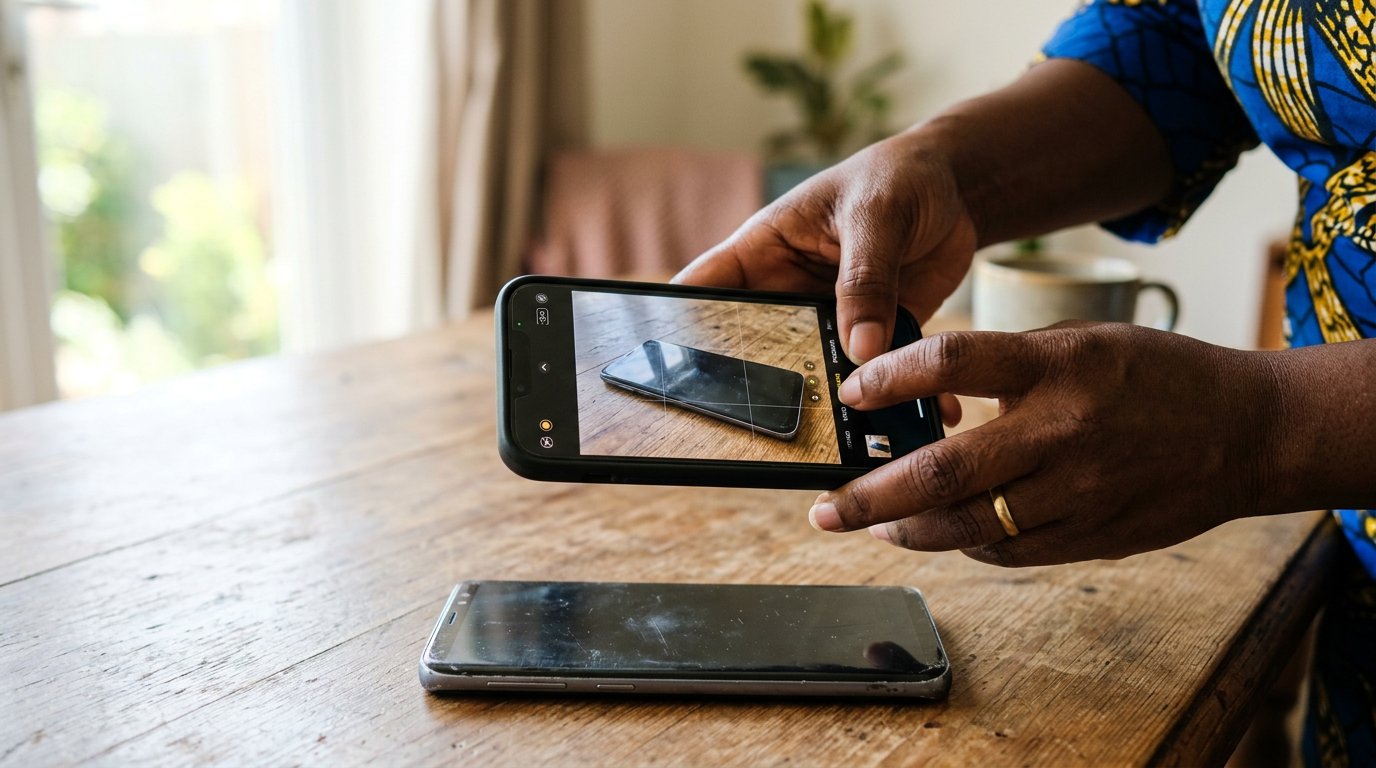
You are the shop now: photographs that tell the truth, a price from the real market, and the one rule — money is confirmed in your own app, never by an alert's tone or a stranger's screenshot.
The buying lesson put you on the customer's side of the counter. Now you are the shop: the old phone, the generator that lost the argument, the sewing machine, the television. Selling online is ordinary trade here now, and it rewards exactly what the market rewards — a truthful face and a steady hand. The difference is that your shopfront is a photograph, and the counter is a chat.
The photograph is everything. Plain table, daylight from a window, the whole item in the frame, all sides — the discipline of photographing documents, turned on property. Show the scratches. A scratch disclosed in the third photograph is a settled argument; a scratch discovered at handover is a cancelled sale and a name mentioned at night. Then price it by walking the market from your chair: what do others ask for the same thing, used, in this city? Price near them. Sentiment is a tax no buyer pays.
The alert that never was
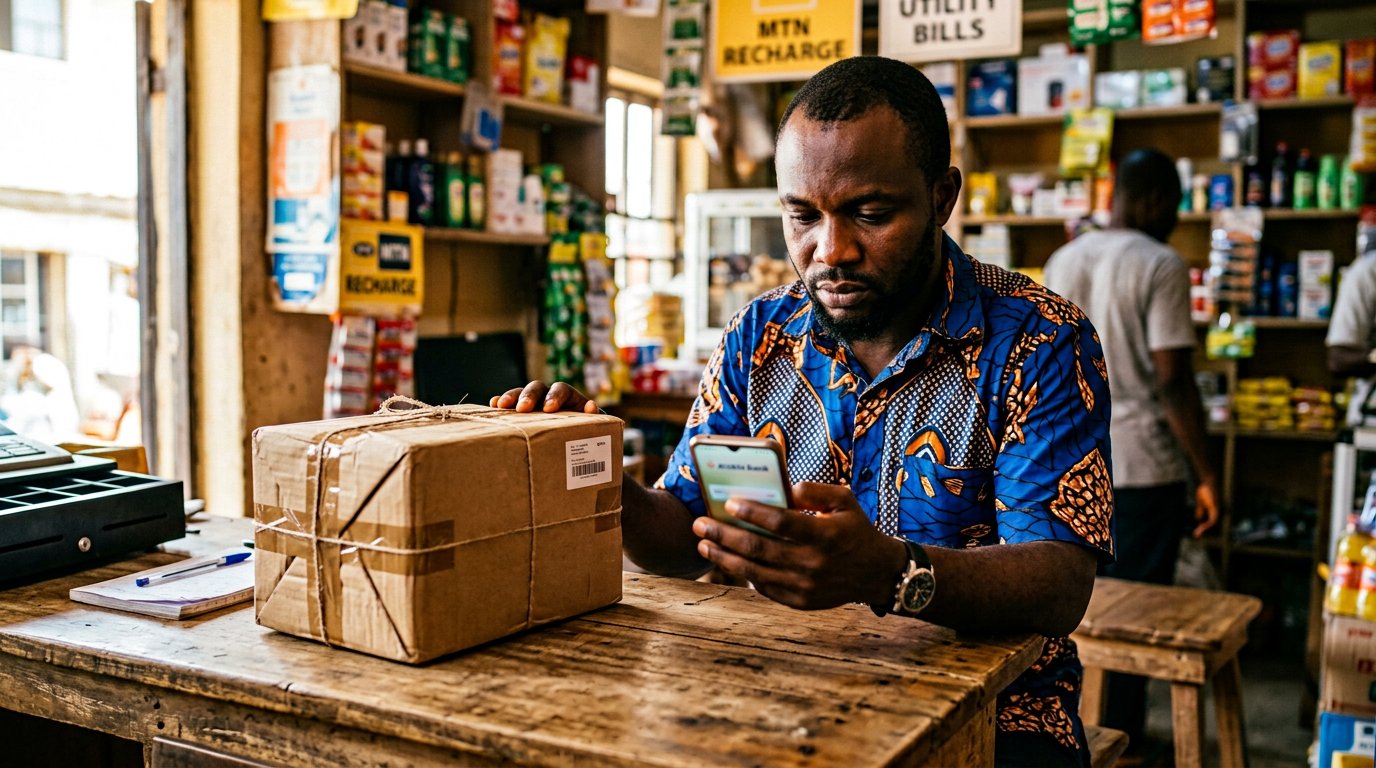
Sellers are scammed more often than buyers, and always by the same play. "I have sent the money" — with a screenshot that was edited in an app you do not have. "My rider will collect it and pay on delivery" — and the rider collects for a sender who never existed. Or the overpayment: "I sent one hundred and fifty by mistake, refund the difference" — when nothing was ever sent. The defence is one sentence and you already own it from the bank lesson: money is confirmed in your own app, balance before, balance after, the sender's name visible. Not by a tone. Not by a screenshot. Not by politeness.
For hand-to-hand sales, the old rules hold: meet in daylight where people are — a bank hall, a busy fuel station — bring a person, let the buyer inspect, and let payment complete before the item crosses. A POS slip at handover is fine; wait until the machine prints, or the transfer lands in your app. For delivered sales, the parcel moves after the money, and if the platform offers pay-on-delivery protection, that is its own honest road — walk it the way the buying lesson walked it, from the other side.
- Photograph in daylight, all sides, scratches included. Disclose everything; sell quickly.
- Price by the market's asking prices, not by what the item cost you new.
- Verify every payment in your own bank app before the item moves one inch.
- Meet in public in daylight, bring a person, and trust the slow careful buyer above the urgent one with a story.
The slow buyer is the real one
The buyer who asks small questions, haggles with respect, and pays without theatre is the market's normal human being. The urgent one — pay now, my rider is waiting, my accountant sent it already — is the exception, and exceptions in trade are called something else. Selling online is the buying lesson held to a mirror: same slowness, same receipts, same public place, same refusal of hurry. The mirror does not change the rules. It only changes whose pocket the money is flowing toward.