Computer skills from scratch·The wider street·Lesson 114 of 180
The ride that comes to you
 Ellis Dennis GrahamFounder, Cyber Elias Academy 2026-02-28 3 min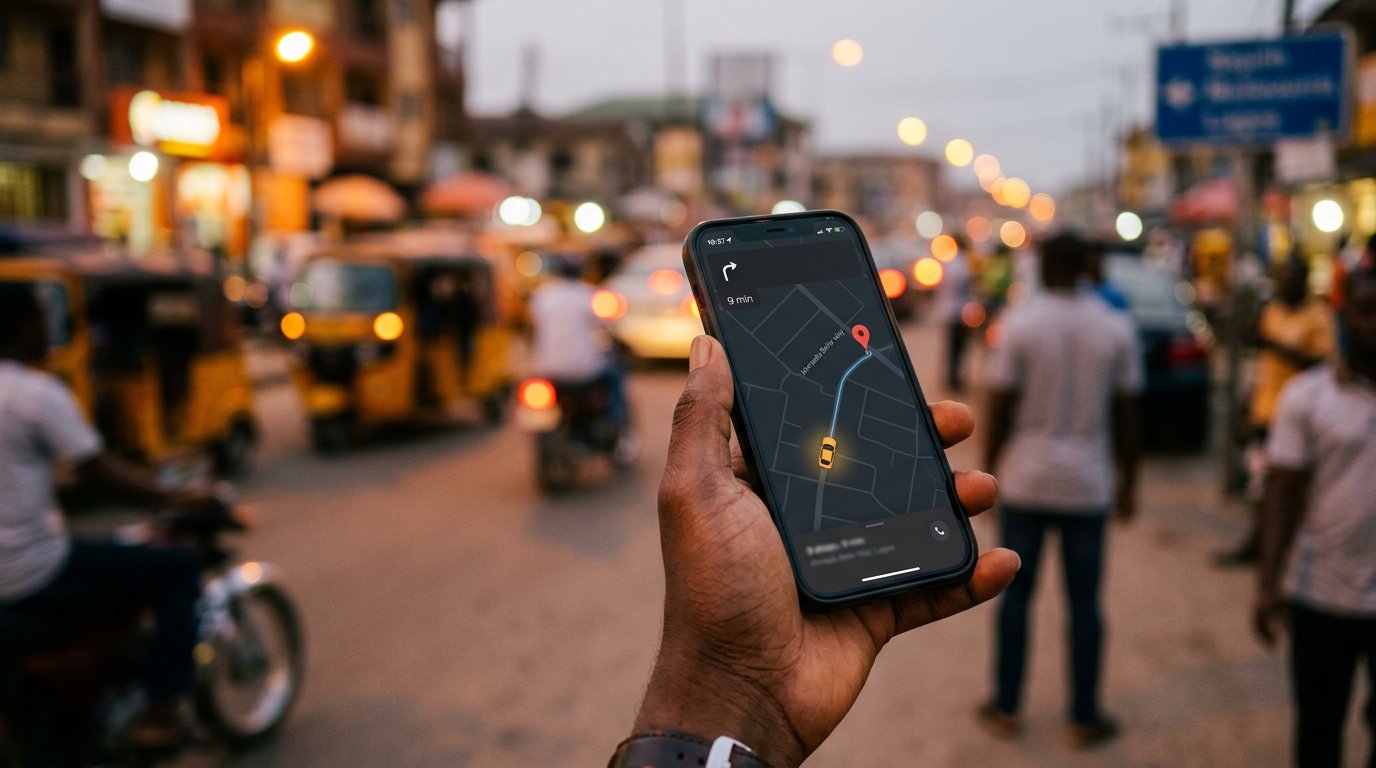
Bolt, Uber, inDrive — the street's bargaining, arranged neatly on a map. The plate, the PIN, the person told, and the driver who asks you to cancel answered politely and refused.
The yellow cab and the okada have grown apps. You open one, say where you are and where you are going, and a car whose name you know comes to your gate — Bolt, Uber, inDrive; the names differ, the grammar is one. The maps lesson taught you to read a map; the form lesson taught you to fill a request. This is both, holding hands, at seven in the evening in the rain. It is worth learning properly, because the ride is where the wider street most often meets the pocket.
Request from indoors, while you are still behind your own gate. The app shows the car, its plate, the driver's first name, and the price before anybody moves — some apps price the trip themselves; inDrive lets you propose your own fare and choose among drivers who accept it, which is the market's bargaining, digital at last. Payment is cash or the card in the app, whichever you arranged. Then stand where you said you would stand. A ride is an appointment, and appointments are kept by both parties.
Before the door opens
The plate. Compare it with the app, every time, in daylight and in the dark, in a hurry and out of it. Wrong plate: a polite wave, I am waiting for another ride, and a step back behind the gate — a person who checks is difficult, and difficult is the goal. Many apps offer a PIN: the trip cannot start until the driver enters your code. Turn it on. A driver who cannot start the trip is not your driver, whatever he says through the window.
Share the trip — the app sends your person a live map of you moving, which is the lantern lesson and the friend standing at the corner, both. Sit behind the driver, belt on, phone in your hand on a night ride, not buried in a bag. And when a driver says cancel the trip and we settle cash: the cancellation deletes the record, the plate you checked, the price you both agreed, and the protection that made you brave enough to enter. Refuse pleasantly. Cancel nothing. If he drives off, the app will find you another car, and you have lost nothing but a minute.
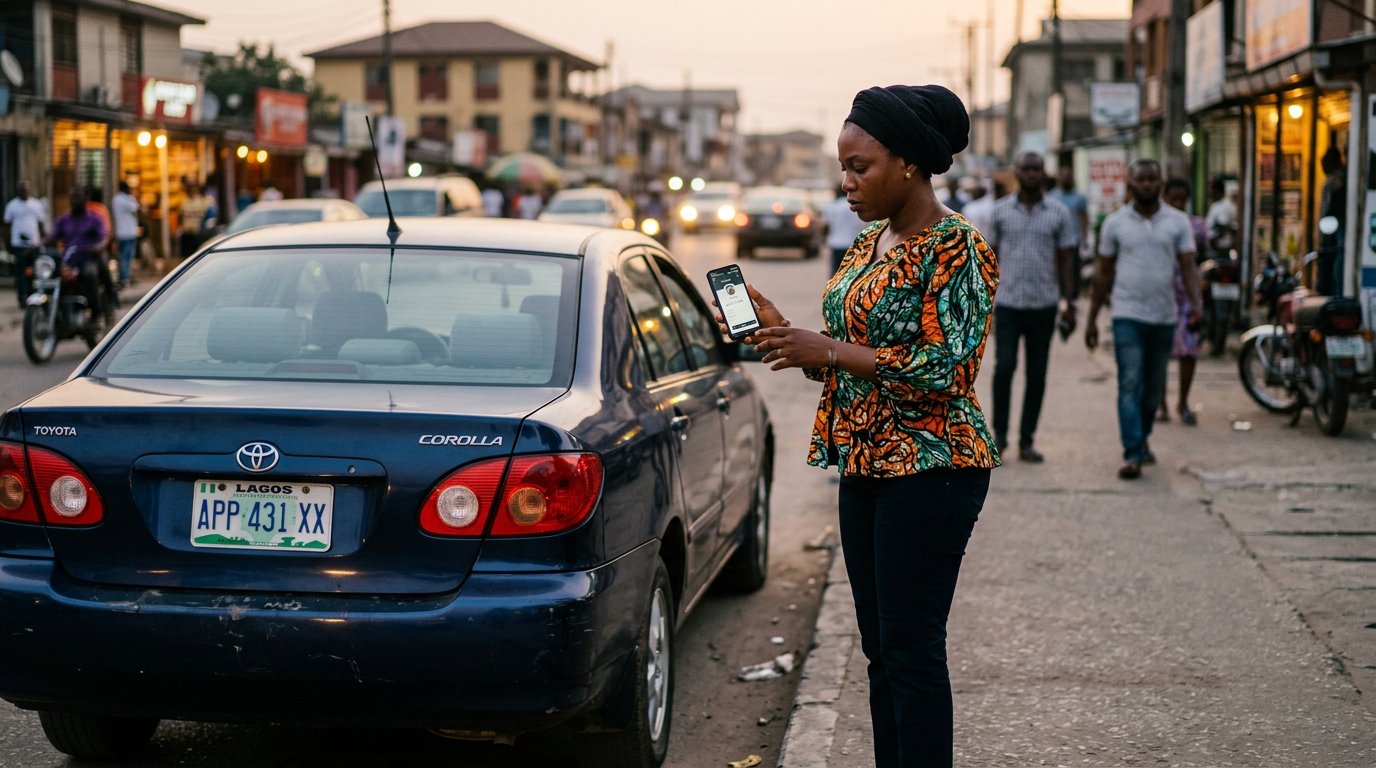
- Check the plate against the app before your hand touches the door. Every ride.
- Turn on the trip PIN, and share the trip with one person on every night journey.
- Never cancel-and-pay-cash. The app is the record, the price, and the protection.
- Left something behind? The ride history holds the driver and the trip — the fastest lost-and-found the street has ever had.
The map is the street
Watch the fare breathe with distance and hour, and you are reading a price that used to be argued in sweat and sunshine. Watch the route follow the map, and you are trusting a plan you can see. The ride app is the wider street at its best: the old taxi stand, tidied, priced, and carried to your gate. Gate, plate, PIN, person told. Four words, and the night road is just a road.