Computer skills from scratch·On your own·Lesson 110 of 180
Paying for something online
 Ellis Dennis GrahamFounder, Cyber Elias Academy 2026-02-10 3 min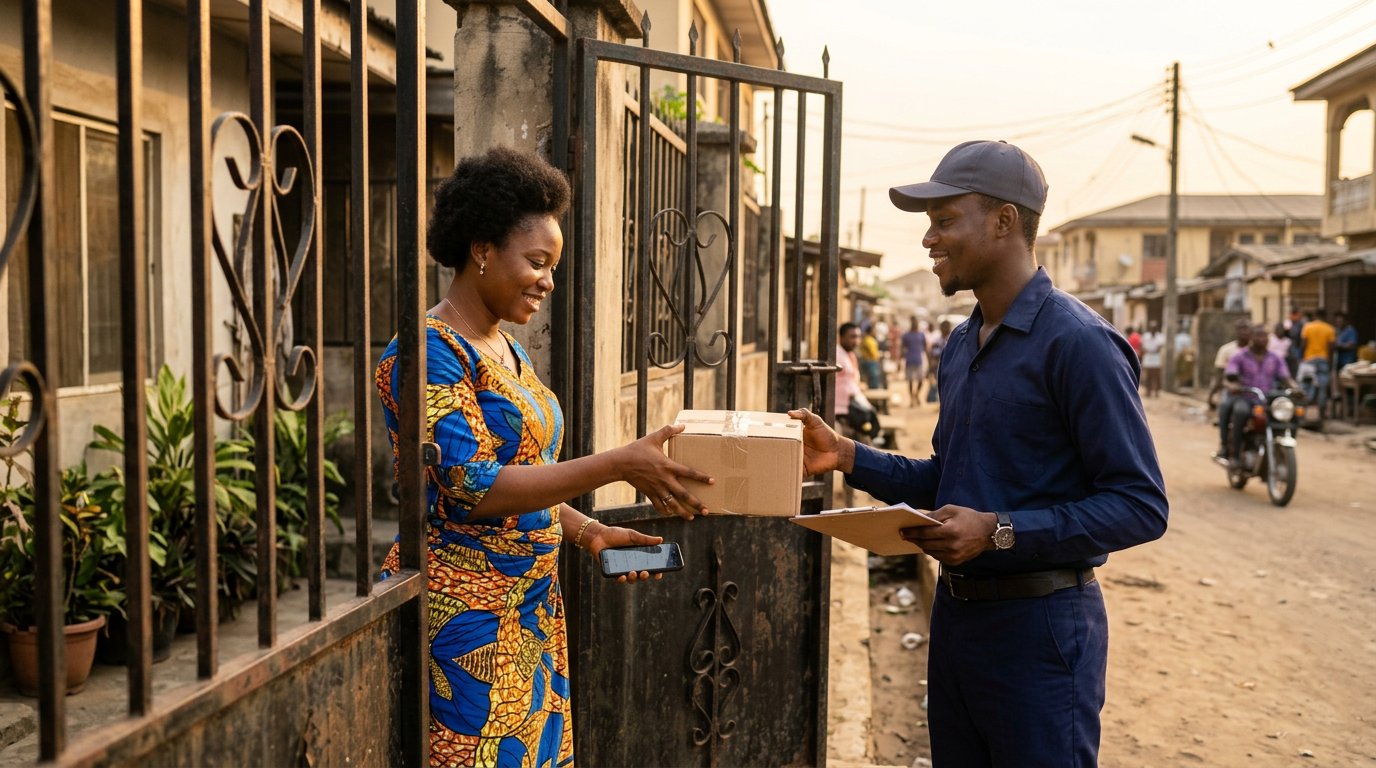
The first honest purchase: pay on delivery, the padlock's honest limits, and counting your change in a market made of screens.
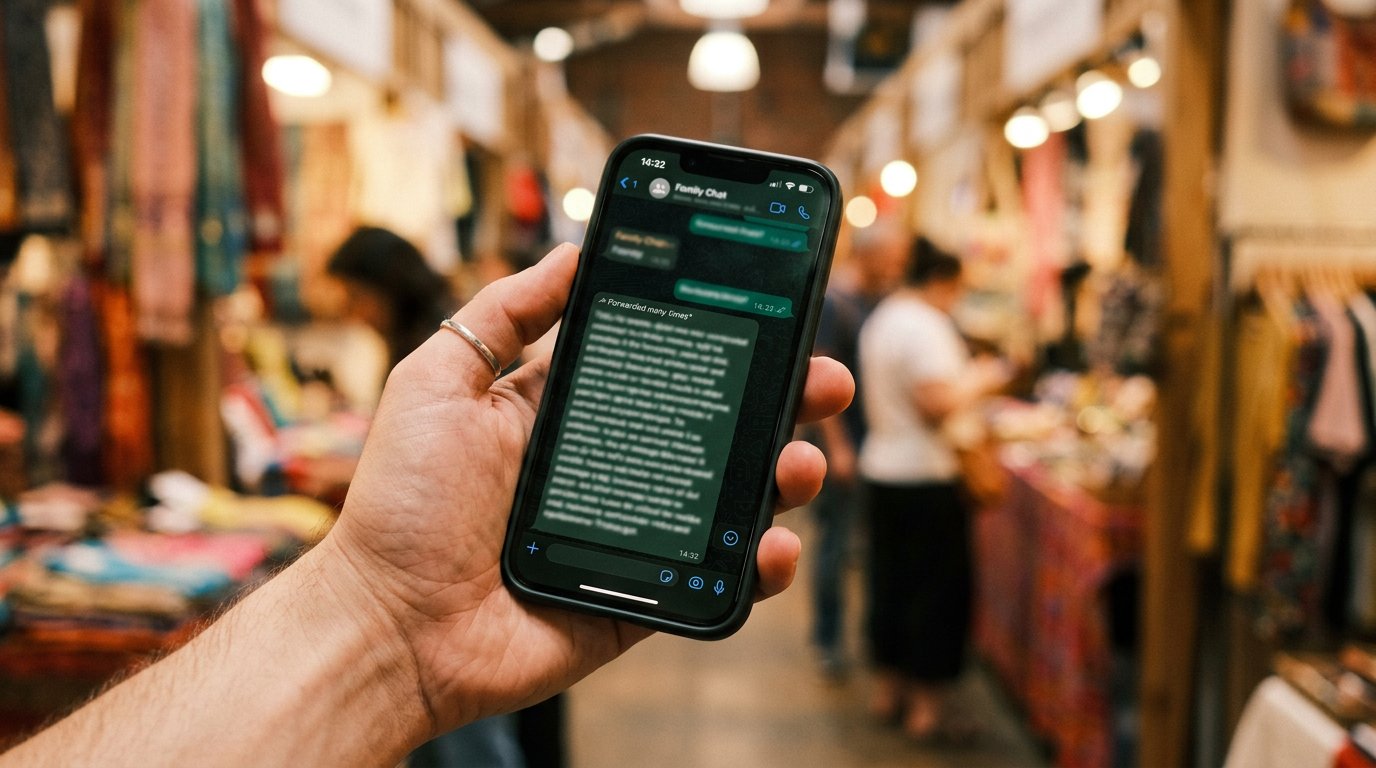
The last chapter closed with the message that wants a fee — money flowing out to a liar. This one closes with the honest twin: paying for a real thing from a real seller, on purpose, and sleeping well after. Buying online is now a basic skill, the same class of skill as buying fuel or choosing a taxi. It is not braver than market sense. It is market sense, carried into a new market.
Start where the trust is built into the building: the big marketplaces, where money is held until you confirm the parcel and pay on delivery is a choice; and official sites — the exam body, the airline, the utility — where the fee has one known amount and one known address. The vendor with fine pictures on Instagram is a different animal: a stranger with a phone. Not a criminal — a stranger. With a stranger you lend carefully. Pay on delivery, or pay a small amount first, and read what other buyers have said over months, not what the captions shout today.
The signs of a real shop
A real shop can be visited, or phoned, and both answers survive scrutiny: an address, a person, a returns policy in ordinary words. Its prices breathe — near the market, above the market, but not beneath it by magic. The shop selling a four-hundred-thousand-naira phone at ninety-five, today only, is the prize message in a new shirt: the discount is the fee. And the padlock beside the address means the road is private, not that the seller is honest. The padlock protects the road. It has never once protected the buyer. Only your own slowness does that.
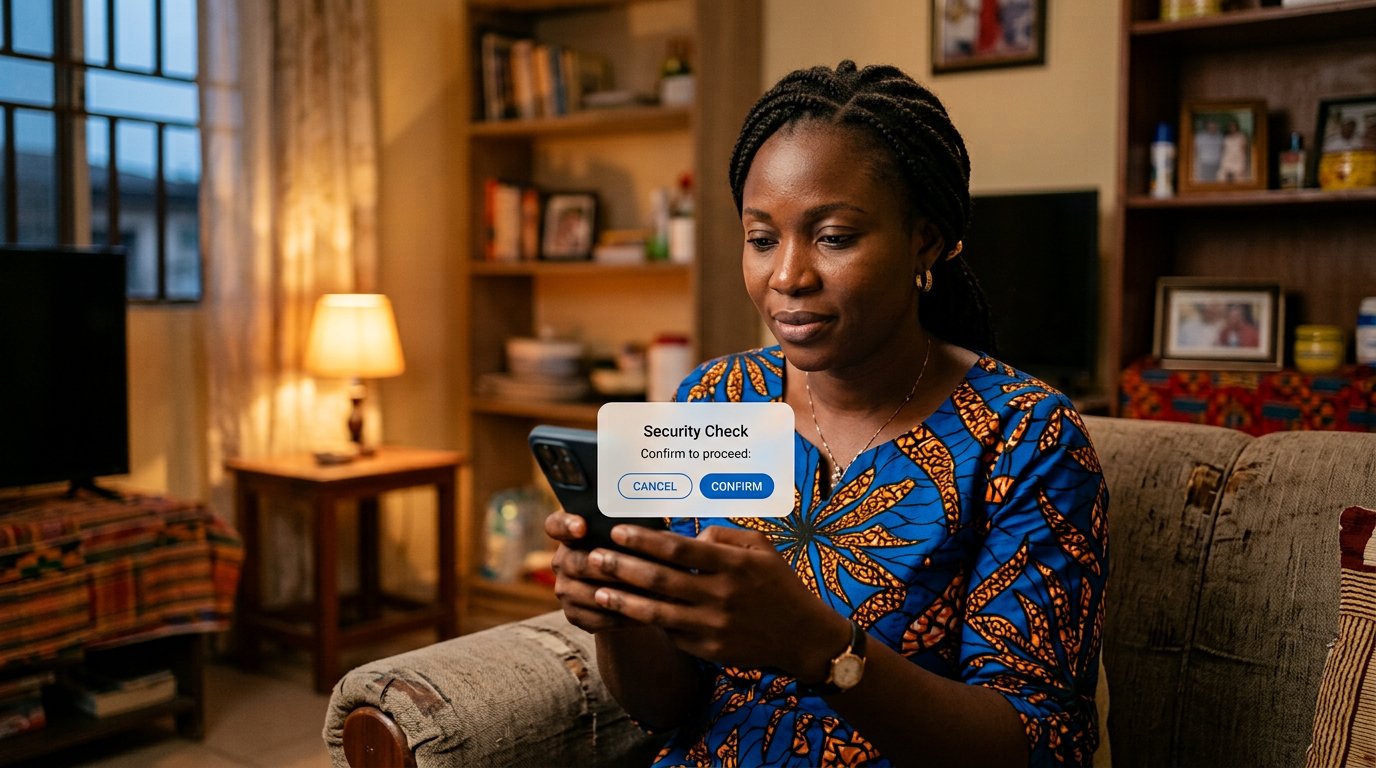
When you pay: card details go only into the shop's own checkout page, never into a chat, never read out to a caller — and the PIN goes nowhere at all, because no shop on earth needs it. A transfer is fine to a business account that carries the shop's name; be still for a moment when a market price is demanded into a personal account with a different surname. Then keep the receipt — the email, the screenshot — and when the bank alert comes, read it twice: the amount, the name, the time. Counting your change never stopped being a skill. It moved indoors.
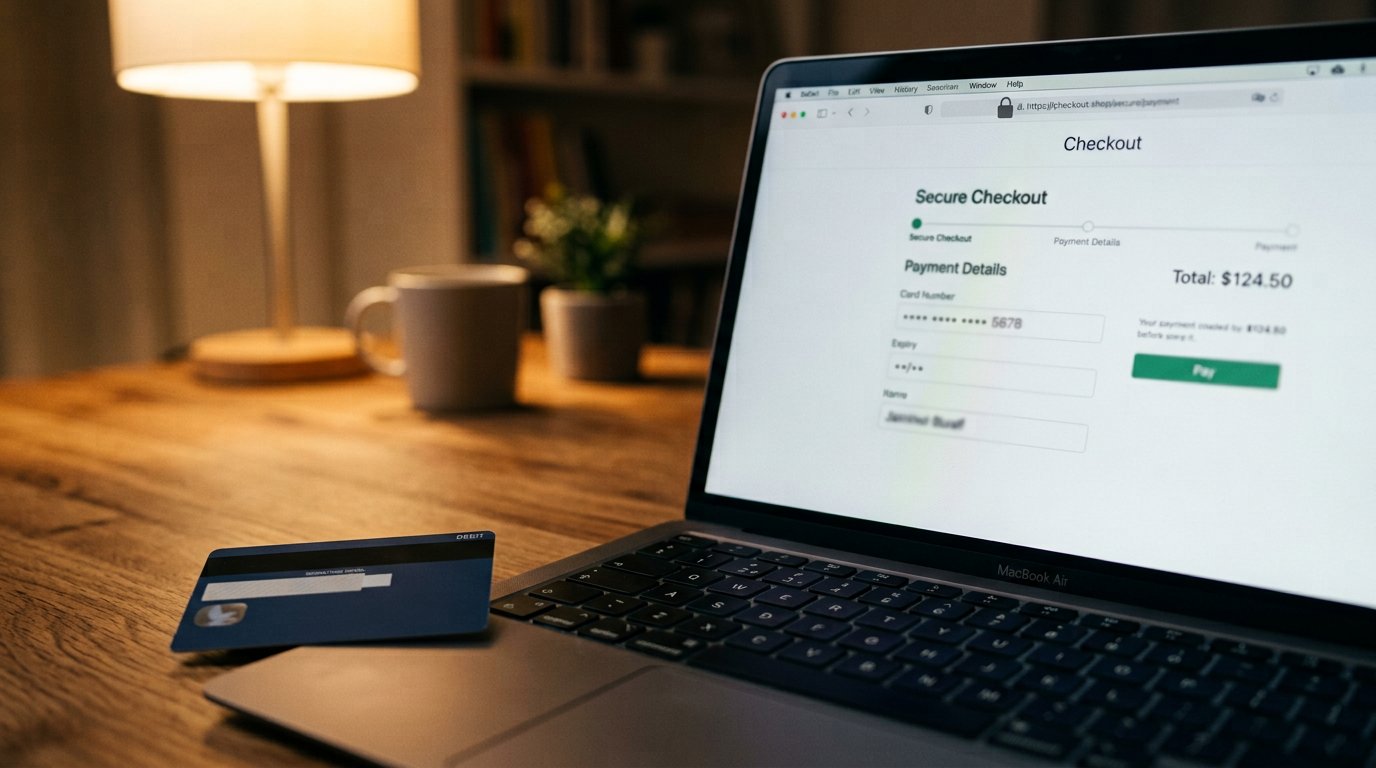
- First purchase: choose a marketplace with pay on delivery. Walk the small road before the long one.
- Before the price, check the address, the phone, the returns policy. In that order, every time.
- Card details in the checkout page only. The PIN nowhere, ever, for anyone.
- Keep the receipt and read the alert twice. The market's change-counting, moved indoors.
What arrives in your hand
When the parcel comes, open it while the delivery person stands there, if the platform allows — the size, the colour, whether the thing is the thing. If it is wrong, the app has a returns road; walk it calmly, with photographs taken the way the document lesson taught: straight, in light, all corners. Refunds take days. That is slowness, not defeat. The whole journey — the checking, the slip, the alert, the photographs — is one sentence your grandmother could have said at any market: look well before you pay, and keep the paper. The market has grown a screen. The sense crosses over intact.