Computer skills from scratch·On your own·Lesson 107 of 180
Before you forget the password
 Ellis Dennis GrahamFounder, Cyber Elias Academy 2026-01-29 3 min
Recovery is the spare key, cut while the main key still opens the door. Set it today, in daylight, and never accept recovery help from a caller.
One day — not today, which is exactly the problem — you will type your password and the machine will say no. Not because you did anything wrong. Because you are a person, and persons forget, and phones are stolen, and numbers change. The passwords lesson taught you to keep the key. This lesson is about the second thing every account has: a spare key called recovery, which can only be cut in advance.
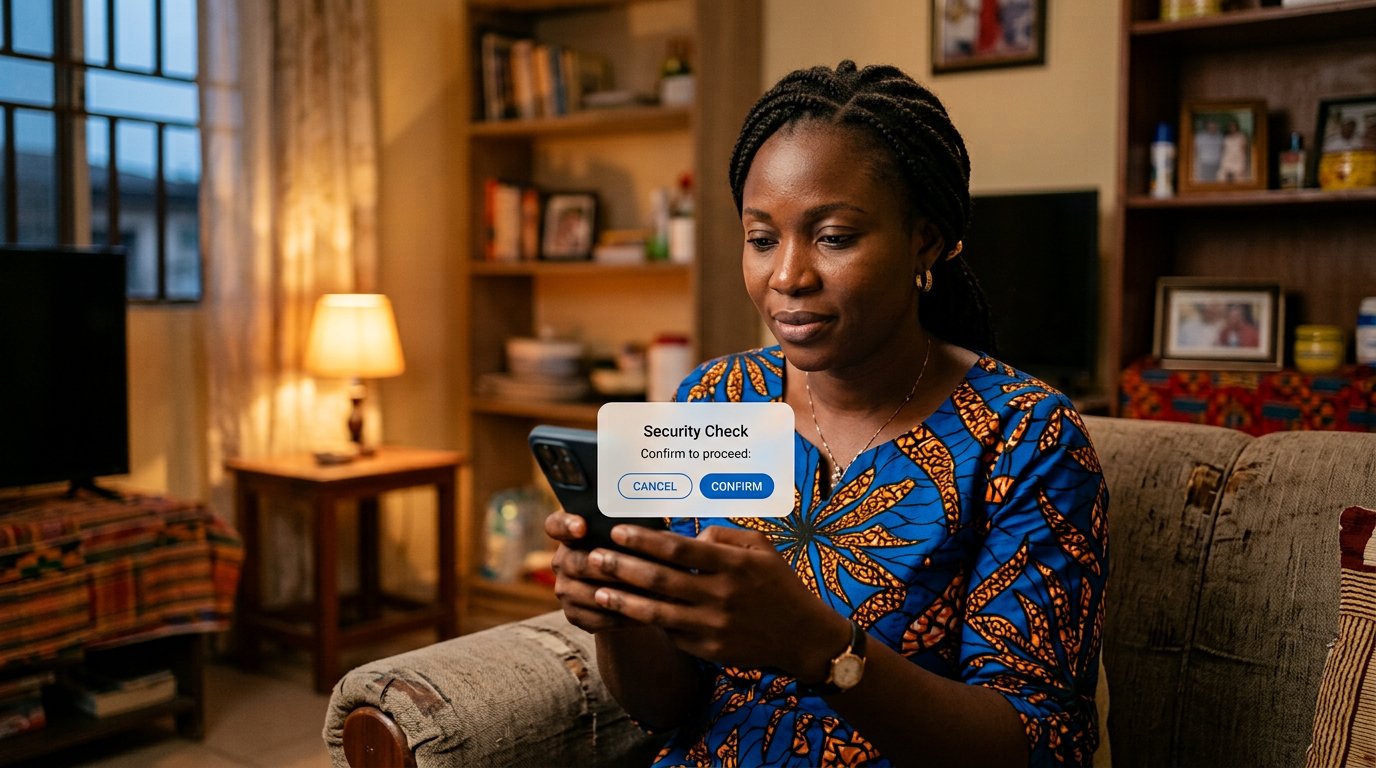
Open your Google account, the one made on purpose. Under Security you will find Recovery phone and Recovery email. Set both, today, while the door still opens easily. The recovery phone is your real SIM — the one in your pocket, alive, registered. The recovery email is a second address you actually open, not one you created in 2017 and have never visited since. A spare key to a house you no longer live in is not a spare key. It is a gift to whoever moves in after you.
The rules of the spare key
Rule one: the recovery email must be alive. Open it once a month, the way you check that the spare key still turns. Rule two: when your number changes, update the recovery phone that same week. This is not paperwork for its own sake — a stolen or recycled number is how strangers inherit accounts, which is why the SIM itself is guarded like cash. Rule three: WhatsApp is tied to your number and the bank to its registered one. When any of those change, walk through all of them in one evening, the way you change the locks when the key count changes.
Then the day comes, and it is mild. On the sign-in page: Forgot password. The code goes to the recovery you set — the phone or the email. You type it, you choose a new password by the old rules, you continue. Ten minutes. What recovery is not: a caller. Nobody from Google, from your bank, from any office, phones you to recover an account, and no helper needs the code that arrives for one. You met that shape in the OTP lesson and the prize lesson; recovery has simply become their favourite costume. Recovery happens on your screen, in the app, at your pace. Hang up on anyone who says otherwise.
- Today, in daylight: set the recovery phone and recovery email on your main account. Two minutes.
- Open your recovery email once now, and put a reminder in the calendar to open it monthly.
- Write the recovery address in the password notebook. The address is not a secret from the drawer.
- Changed your number? Before the old SIM dies, walk every account through its recovery settings.
The door behind the door
Every account is a door with a locksmith's record behind it. The password is the key in your hand; recovery is the record that says whose hand the key belongs to. Cut the spare while the main still turns, keep the record current when the house changes, and treat anyone who offers to open your door from outside, by phone, as exactly what they are. The next lesson adds a second lock to the door itself.