This lesson is about messages that spread because they are forwarded, not because they are true. You will learn how a claim changes as it travels, what a screenshot actually proves, and the two checks to run before you pass something on.
A forwarded message arrives without its source. The person who sent it to you did not write it, and the person before them did not either, so nobody is responsible for the claim.
What you will need
- Any forwarded message on your phone.
- A browser, for the checks.
- About ten minutes.
The signs it has travelled far
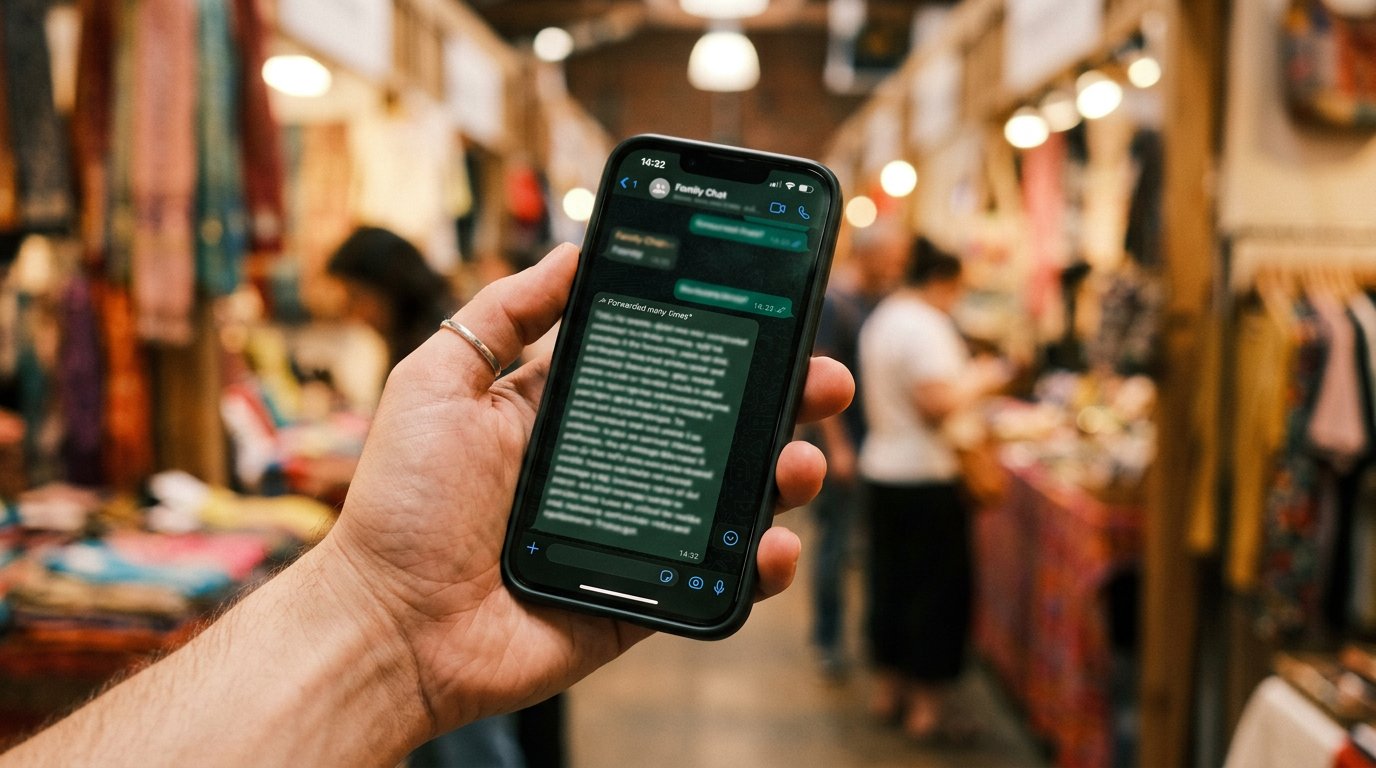
- The message begins with FW or a chain of forwarded arrows.
- It says forward to ten people or something will happen.
- The claim is dramatic and has no date, place, or name attached.
- The text uses capital letters for words like URGENT or BEWARE.
- It names a bank, a network, or a government office without a reference number.
- The same message arrives from three contacts in one week.
You will see the forwarding header at the top of the message, which is the clearest evidence that you are not the first reader. That header is usually the only fact in the whole message.
It looks like a screenshot is proof, since a picture is hard to fake in a hurry. A screenshot is a picture of a message somebody typed, and typing is free.
Two checks, two minutes
- Search the exact claim, in quotation marks, and read what comes up.
- Look for the same claim on the organisation's own website or verified account.
- Check the date, since old warnings return every year with a new year attached.
- Call the number printed on the organisation's official page, not the one in the message.
- Ask what the sender would gain, which is often nothing, and what the original author would gain.
- If a news story is quoted, find that story on the news site itself.
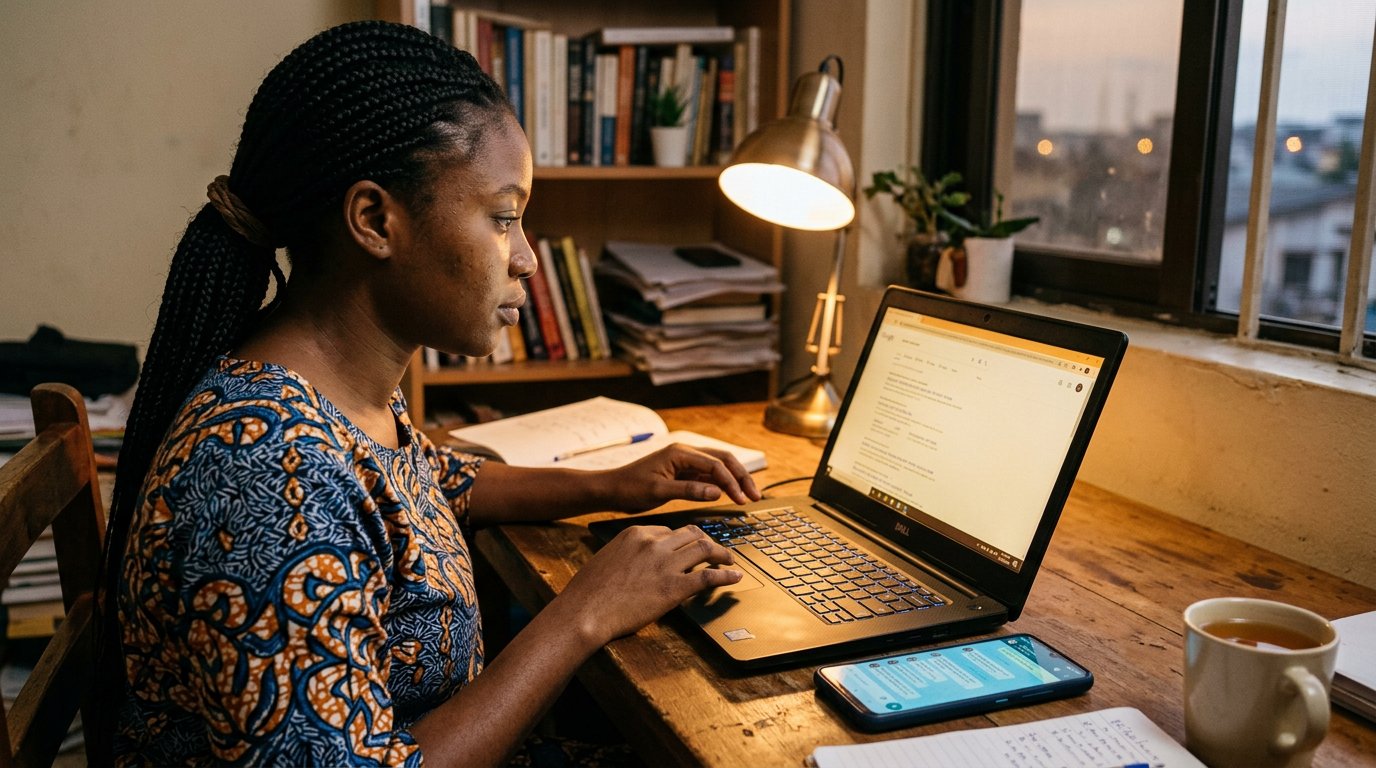
The search results will show either the same claim repeated on unknown pages or a correction from a known one. A claim that appears only on forwarded pages has no evidence behind it.
You will see the search page return a handful of results, and the address of each site sits under its title. Read those addresses before you read the headlines.
What not to forward
- Anything that asks you to forward it, which exists to spread rather than to inform.
- Warnings about a product that name no authority and no date.
- Messages about a missing child, which are often years old and already resolved.
- Health advice with no clinic or doctor attached, especially about cures.
- Screenshots of a bank alert, since alerts are easy to make with a template.
- Anything that would frighten a family member if it were untrue.
None of this means every forwarded message is false. It means the sender is not the evidence, and the check takes less time than the forwarding.
A fact-check page will show the claim in bold at the top and a verdict such as false or misleading underneath. If no such page exists, that absence is the answer.
Do not worry about offending the person who sent it. A short reply saying you could not find it anywhere is usually enough, and it stops the next round.
Troubleshooting
Most of them have a plain fix.
- You forwarded something false: send a short correction to the same people, which is the whole fix.
- Somebody acted on it: help them undo the step, whether it was a payment or a form.
- You cannot find the original: say plainly that it has no source, which is the finding.
- The claim looks official: check the domain of the website, since a near-copy is common.
- A family group keeps forwarding: post one correction with the link, then let it rest.
- You are unsure whether it is true: waiting a day costs nothing and usually settles it.
Your turn
Take one forwarded message and check it properly.
- Copy the main claim into a search box in quotation marks.
- Read the first three results and note who published them.
- Look for a date on the original claim.
- Decide whether you would forward it now.
- Send one correction or one confirmation to the person who sent it.
You can now slow a rumour down instead of carrying it. In the next lesson you will pay for something online without losing money to a fake shop.