Computer skills from scratch·Standing taller·Lesson 152 of 180
The family table: phones, kids, and parental controls
 Ellis Dennis GrahamFounder, Cyber Elias Academy 2026-08-16 3 min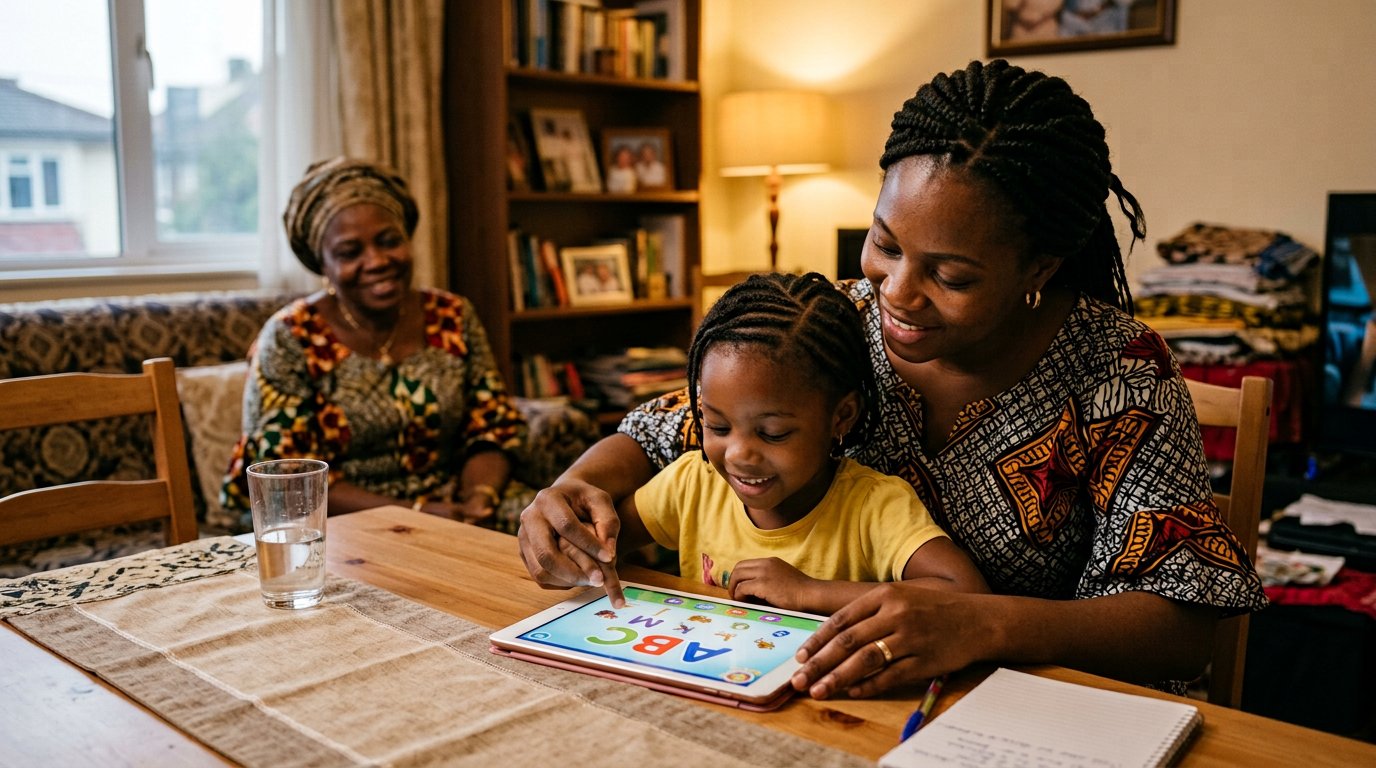
Children inherit our screens before our manners. Family Link, app approval, the bedtime rule that binds adults too — raising the next generation of users without a fight.
A child in this country meets a screen before they can read, and long before they can judge what the screen says. The family that handles this well does not ban the phone and does not surrender to it. It does what this whole shelf has done for adults: names the parts, sets the rules, teaches the reasons. This lesson is the same education, one generation down — and it begins with a confession: the child is watching how you use yours.
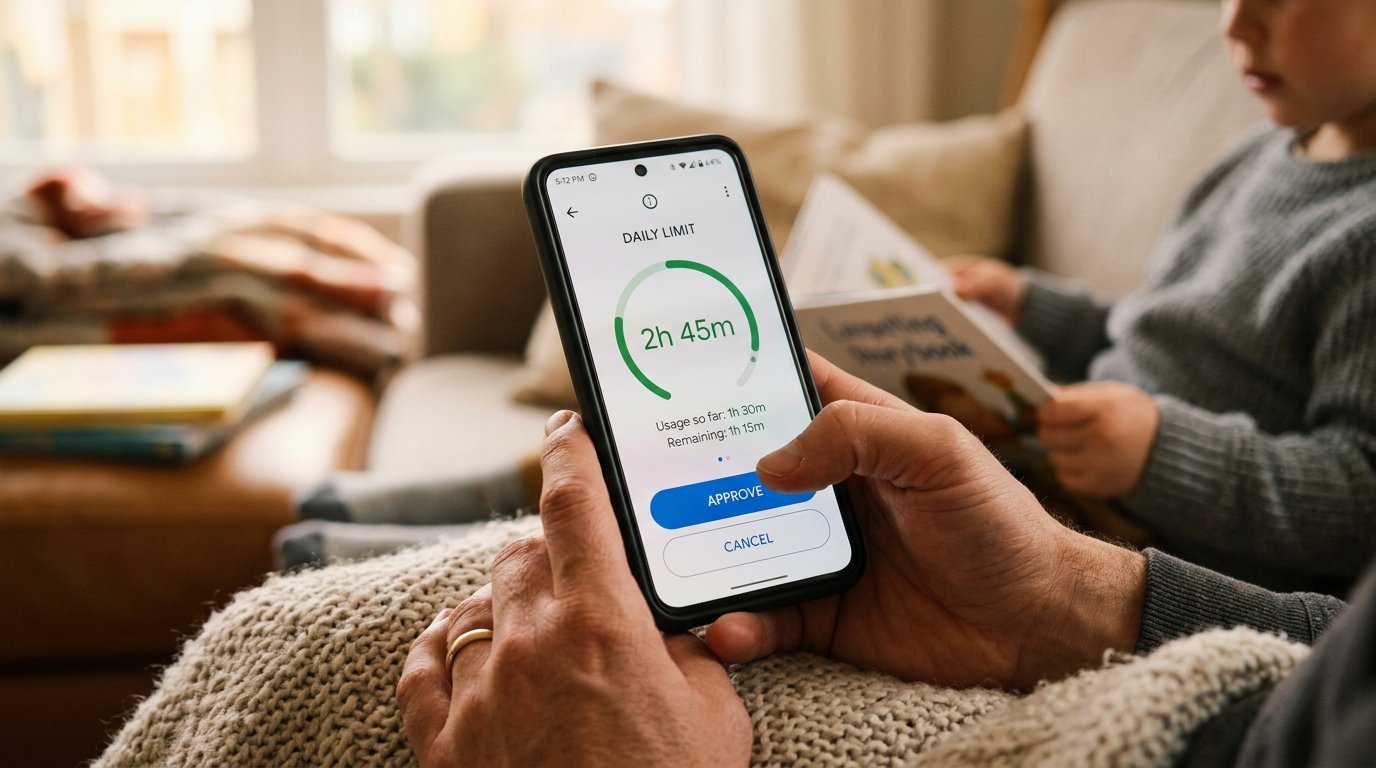
The tooling first, because it is free and already built. On the child's Android phone, Google's Family Link — the family-table lesson's gatekeeper — lets a parent approve every app install before it lands, set sensible daily limits, see where the hours go, and pause the whole device at bedtime from the parent's own phone. On the video platforms, the kids' versions exist precisely so the algorithm is not raising the child; turn them on. On the browser, safe search is a setting, not a prayer. None of this replaces the conversation — it holds the fence while the conversation does its work, the way the second lock holds the door while the manners keep the street.
The rules that actually teach
Three rules, taught with their reasons the way lesson one hundred and twenty taught the elders. The name rule: in games and chats, a child never uses their real full name, school, street or photographs of themselves — strangers online are strangers, and the manners of the compound apply at every screen. The tell rule: anything that frightens, anything that asks for pictures, anything that says do not tell your parents — shown to a parent, immediately, without punishment; the child who is punished for reporting learns to hide, and hiding is the only real danger. And the table rule: phones sleep outside the bedroom at night — every phone, parents' included, in one basket by the sitting-room door; the child who watches you obey it learns more than any setting can teach.
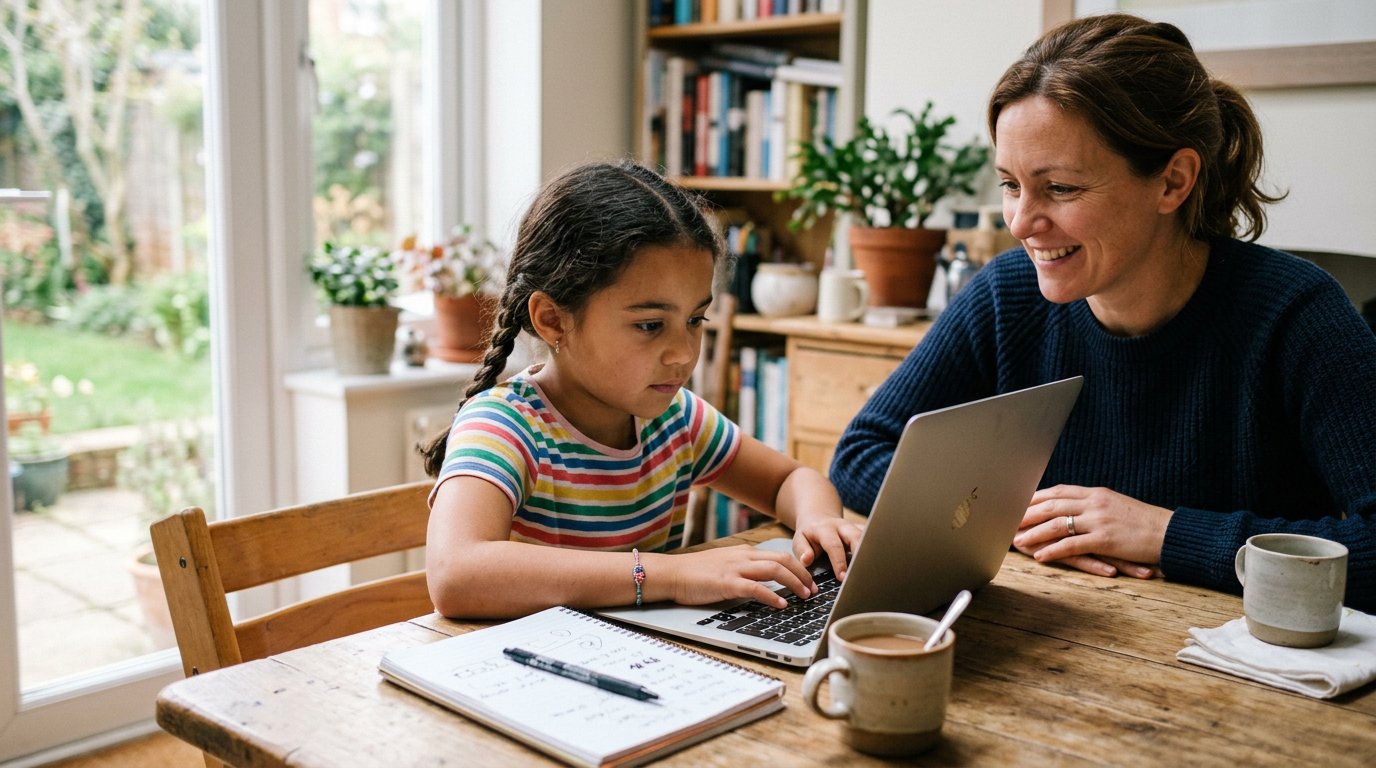
And teach downward with the shelf itself. The child who can play is ready to learn: the typing games, then the files lesson softened, then the pause before a link — the same curriculum, age-bent. A teenager can read lesson six and seven as their own; a twelve-year-old can run the family's WhatsApp backup. The greatest parental control was never an app. It is the child who grows into a user who understands the machine — because somebody sat beside them, ten honest minutes at a time, and named the parts out loud.
- Set up Family Link on the child's device tonight — approvals on, a bedtime limit, kids' video profiles on.
- Teach the three rules with their reasons: name, tell, table. Write the last one where everybody, including you, obeys it.
- Practise the no-punishment rule until it is true. Children report dangers to safety, not to ambush.
- Give the child one small real task on the machine each week — typing practice, the backup, the calendar. Users are raised, not restricted.
The long inheritance
The children on your knees will run a country whose every road, market and classroom is a screen. What they will not pick up from school is judgement — that walks across the family table, one evening at a time: the rules kept, the reasons given, the example set by the adult whose own phone sleeps in the basket by the door. Restriction produces a sneaky user and a skilled liar. Teaching produces the person these notes have always been writing to. The next lesson returns to the working road, at its very first gate: the paper that decides who gets to interview.