Computer skills from scratch·The pocket and the purse·Lesson 166 of 180
Electricity units, bought online
 Ellis Dennis GrahamFounder, Cyber Elias Academy 2026-09-03 4 min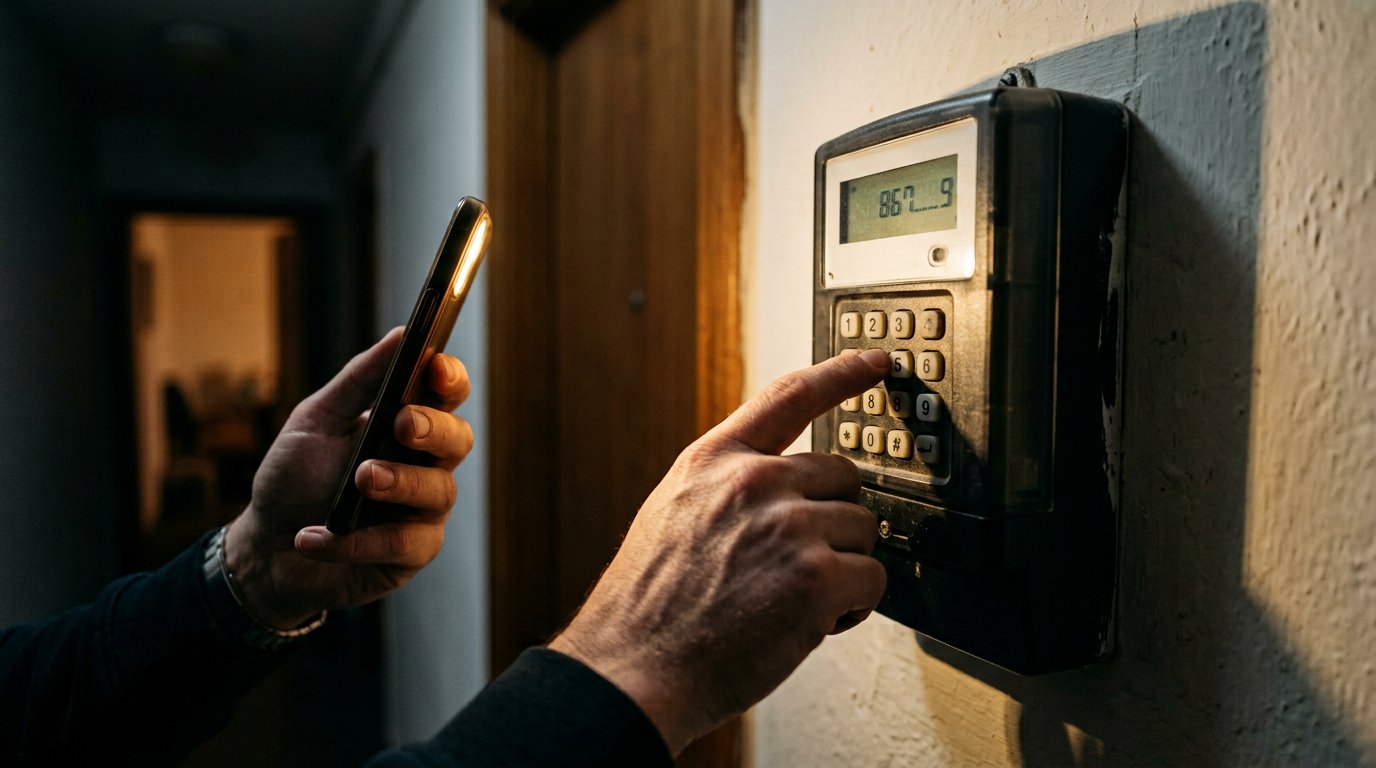
The meter is beeping and the night is dark: prepaid tokens bought correctly, typed patiently, kept as receipts — and the cheap-units man at the junction, declined politely forever.
The meter announces itself the same way in every house: a soft beep, then a smaller number on its screen than yesterday, then the household's quiet arithmetic — how many days can this last? The prepaid meter changed Nigerian life more than any app ever has: electricity became something you buy, like airtime, in units, and the token that feeds it became part of the family's weekly chore. Done correctly it is boring and reliable. Done carelessly it is a dark night with a twenty-digit code typed twice wrongly. This lesson is the correct version, learned before the beep, not during it.
The buying: units come from the electricity company's own portal or app, from its official agents, from the bank apps and USSD menus of lesson one hundred and sixty-one — all of them asking for the same identity: the meter number. The meter number is this lesson's exam number — eleven or thirteen digits printed on the meter itself and on every old receipt — and it is typed from the meter or from the last receipt, never from memory and never from a relative's forward. One swapped digit does not fail loudly; it loads a stranger's kitchen in another street, and your money becomes their light. So the typing is done slowly, checked digit by digit, the exam-slip discipline of the results lesson carried into the corridor. Then the account type matters too: the plan you are on — prepaid, and which tariff band — affects what the same money buys, and the disco's own site explains the bands honestly enough for one evening's reading.
The token, and the receipts
The purchase lands as a token — a long number, usually twenty digits — sent by text or shown on the receipt screen. Type it into the meter's keypad in calm groups, threes or fives, from the paper or the message, not from the memory of a glance; the meter checks the whole code and accepts it with a flash and new credits, or refuses it with a beep that means one digit heard wrongly. Refused twice, stop typing from memory and re-read from the message — the meter is not angry, it is precise. Some tokens carry two codes when the tariff changed; the receipt says so, and the meter asks for them in order. Then the receipt joins the family papers: screenshot into the Money album, the account-number law of the bank lesson, because disputes — a purchase that did not land, a meter that ate a token — are settled by the person holding a reference, not the person holding a feeling. The electricity company's complaint lines are the roads of lesson one hundred and fifteen: real numbers from its own site, not the cheerful helper a neighbour recommends on WhatsApp.

And the junction, because he is always at the junction: the man with a calculator and a smile who sells units cheaper than the disco, cash only, token delivered by screenshot. The cheap-units man is the recharge-card scammer of this lesson, and the arithmetic of his disappearance is as reliable as the meter's beep — he collects for a month of Fridays, and one Friday the token does not come, and the number that answered all year retires. Electricity is a licensed monopoly; the disco's own channels and its named agents are the only honest doors, and their receipts are the only ones a dispute will honour. Buy from the beep's own family, keep the paper, and the darkest night of the month becomes a two-minute chore done by phone-light. The next lesson boards a plane, and carries the same discipline to thirty-five thousand feet.

- Write the meter number once, from the meter itself, into the family notebook. Type it from there, always.
- Tokens in calm groups, from the message, not from memory. Refused twice: re-read, re-type, patience.
- Every receipt into the Money album and the papers folder. References settle disputes; feelings do not.
- The cheap-units man is retired this month, politely, forever. Licensed channels only — the disco's own, the bank's, the named agent's.
The beeping box, tamed
The meter asked to be understood, not feared: one number to protect, one code to type patiently, one receipt to keep. A household that learns this chore once buys its light in two minutes for the rest of its life, and never again stands in the dark decoding a stranger's promise. The same evening that feeds the meter can feed the phone, the bank and the books — the compound, running itself, one token at a time. Next, the lesson boards a plane: your first flight, booked by your own hands.