Computer skills from scratch·The pocket and the purse·Lesson 168 of 180
The VPN, explained like a tunnel
 Ellis Dennis GrahamFounder, Cyber Elias Academy 2026-09-08 4 min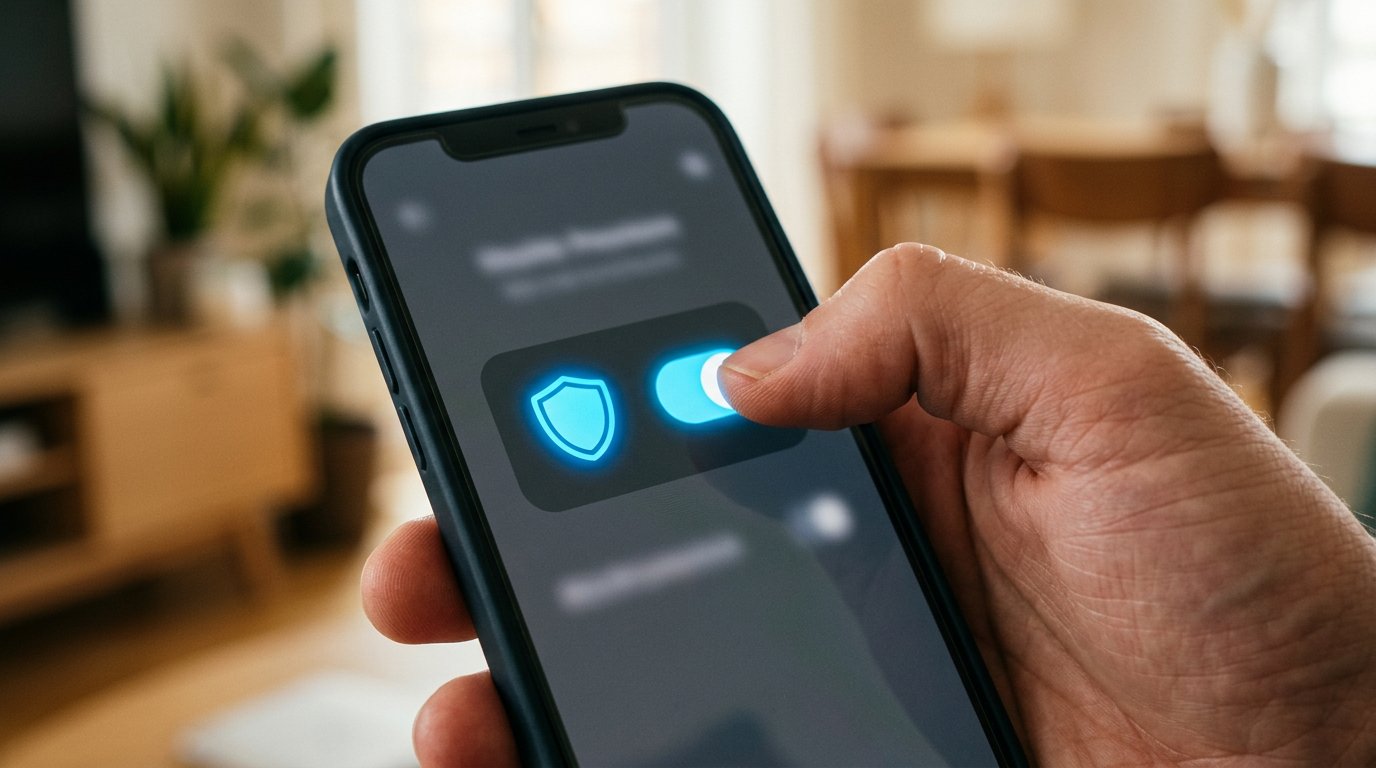
Your traffic, wrapped and carried through another town: what a VPN actually does, when it genuinely helps, when it sells you courage — and why the free ones are the most expensive.
Sooner or later the word arrives — in an advert, in a tech-bro conversation, in a warning from a cousin abroad: you need a VPN. It is said like a password, and almost nobody explains it. Here is the explanation, in the market's own grammar. Your internet traffic is a letter carried through a loud street; the shops, the network, the curious all see which road it takes and, on open roads, some of what it says. A VPN — virtual private network — wraps that letter in a sealed cover and carries it through a private tunnel to another town before opening it onto the world. The street sees only a sealed wrapper going into a tunnel. The wrapper is the encryption. The other town is the borrowed address. Those two facts are the entire technology.
What it genuinely does for you follows from those facts. Privacy from the local street: the café's Wi-Fi, the market's free hotspot — the roads of lesson ninety-nine — can no longer read your open traffic, because it travels sealed. A borrowed address: the internet believes you are sitting in the tunnel's other town, which unlocks services that shun Nigerian addresses and lets you compare prices as a stranger would. And a quieter kind of safety: your home network's address stops being the return address on everything you do. Notice what is not on the list. A VPN does not make scam sites honest. It does not hide you from the law. It does not cure a virus, and it is not a password for a stolen phone — it wraps the road, and the road was never the thief.

When it helps, and when the wrapper is the thief
Turn it on for the roads you do not trust: the café, the airport, the conference hall — anywhere the Wi-Fi password is written on a chalkboard for strangers. Turn it on when a service refuses Nigerian addresses, or when the comparison shopping needs another country's eyes. And know when to take it off: the bank. Nigerian banks watch for sign-ins from foreign addresses, and a VPN makes your honest login look like a thief's — the app of lesson one hundred and eleven may block you, correctly. Banking happens bare-faced, on your own data, without the tunnel. Then the warning that this whole lesson leans toward: the wrapper-maker sees your wrapped traffic last, which means you have not eliminated the eavesdropper — you have chosen one. The free VPN from the top advert is frequently the eavesdropper himself, collecting what the café could only guess at: your logins, your destinations, your habits. Choosing a VPN is the helpers lesson again — pick a reputable, established name, ideally one you pay a small honest fee, and never the first free banner that promises the world in three megabytes.
Used this way, the VPN earns its place in the pocket: a wrapper for untrusted roads, a borrowed address for stubborn services, a seal for the café. Used as courage — to double money in rooms that ask for VPNs precisely because they are rooms that steal — it is the opposite of protection, and lesson one hundred and seventy is waiting for those rooms. The wrapper is a tool. The wrapper-maker is a choice. Choose in daylight, pay the honest fee, and the tunnel serves the traveller instead of feeding on him. The next lesson stays in the money district, and opens the door of the most modern trap on this street: the loan that arrives in fifteen minutes and collects your whole phonebook as interest.

- One sentence to keep: the wrapper is encryption, the other town is the address. Everything else is marketing.
- On for café Wi-Fi and stubborn services; off for the bank. The tunnel knows its place.
- Choose an established maker and pay the small honest fee. The free wrapper is often the eavesdropper in costume.
- A VPN is privacy, not permission, and not courage. Rooms that require VPNs to steal are described in the next lesson.
The tunnel, in its place
Every tool on this shelf has been introduced the same way: named honestly, dressed in its own clothes, warned about its own street. The VPN is the last of the everyday tools to be so introduced — and now the pocket holds it correctly: sealed when the road is strange, bare when the bank is watching, and never, ever confused with a superpower. Next: the money district, and the app that lends in fifteen minutes.