Computer skills from scratch·The pocket and the purse·Lesson 169 of 180
Loan apps: the money that costs a reputation
 Ellis Dennis GrahamFounder, Cyber Elias Academy 2026-09-11 4 min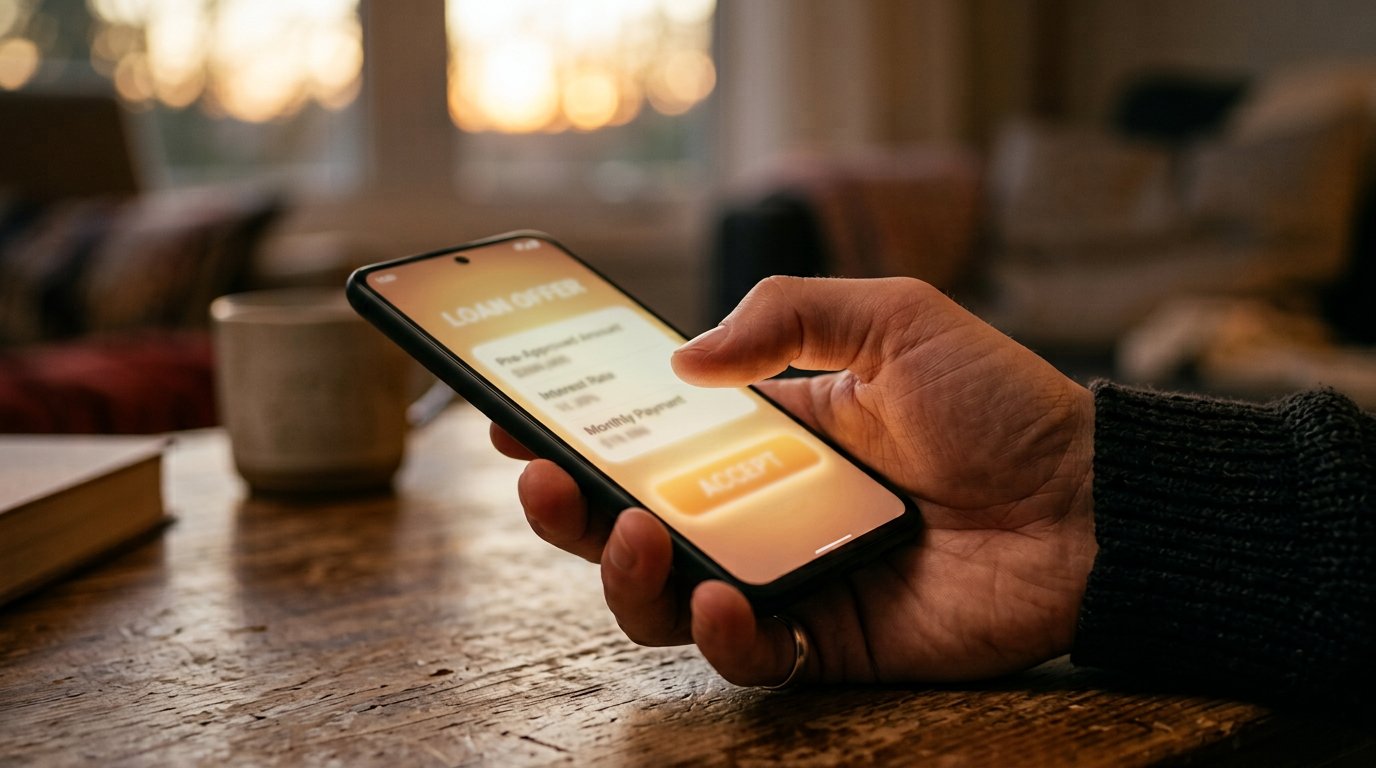
Fifteen minutes, no collateral, and your whole phonebook held as surety. How the instant-loan machine actually works, what the law says, and the defences that keep your name yours.
It arrives on a slow evening, exactly when the pocket is lightest: a bright app promising one hundred thousand naira in fifteen minutes. No paperwork, no collateral, no questions — just allow us a few permissions and the money lands. The needs of this life are real, and the offer is engineered to meet one of them at its weakest hour. This lesson opens the machine while it is switched off, so you can see the gears: because the money is real, but the interest is collected in a currency you did not agree to spend — your reputation, and the phonebook of everybody you love.
The gears. The loan is small — often twenty-five thousand — and the tenor is short: seven or fourteen days. The effective rate, stacked with fees, can reach a third of what was borrowed inside a month. When the due date passes — and it always passes, because fourteen days is a machine designed to be missed — the rollover button appears, and the debt grows a tail. Then the gears you were never shown: the permissions you tapped past at installation handed the app your entire contact list, your photographs, sometimes your messages. The first morning of default, a message goes to your mother, your pastor, your employer's HR: this person is a wanted fraudster, help us recover our money. There is no court in that sentence and no truth in it either — it is defamation as a collection strategy, and it works because shame does what the app cannot: it makes you borrow from elsewhere to silence the broadcast, which feeds the next app, and the spiral turns.
What the law says, and what your thumb must never do
The law, plainly: lending at scale is a licensed trade in this country. Digital lenders must be registered with the consumer-credit regulator and follow rules the regulator publishes in lists you can read — which companies are approved, and which are being pursued. The predator apps sit outside those lists, and their collections are not enforcement; they are crimes wearing an enforcement costume — harassment, defamation, unlawful contact use. The defences, in the order they should happen. Before: check the list on the regulator's own site — the portals lesson's law — and prefer the licensed arms of the banks you know, whose rates are stated, whose tenors are months, and whose collectors write letters instead of staging broadcasts. At installation: deny the contacts permission, flat, and see whether the app still works — a legitimate lender underwrites your identity and your bank record, not your aunt's number; an app that refuses to lend without your phonebook has told you exactly what it intends to do with it. And if you are already inside: do not roll over into the next app to silence this one — that is the spiral's only fuel. Document everything — screenshots of the threats, the broadcasts, the numbers — and report to the regulator and the police; the documented borrower has quietly become the predator's problem.

The deeper cure sits in the books of lesson one hundred and forty-three: the rain slice. A small, boring emergency fund — even a thin one — is the difference between a bad week and a hijacked phonebook. And the family word lesson's honesty, pointed at money: the relative who lends fifty thousand at zero percent with a plate of food attached is the original licensed lender, and she underwrites you with love instead of your contacts. Borrow from the people and institutions that can afford your worst month. The apps that cannot wait fourteen days for their money were never waiting to help you at all.

- Check the regulator's published lists before any borrowing. Unlicensed lender, unlicensed collection, unlimited shame.
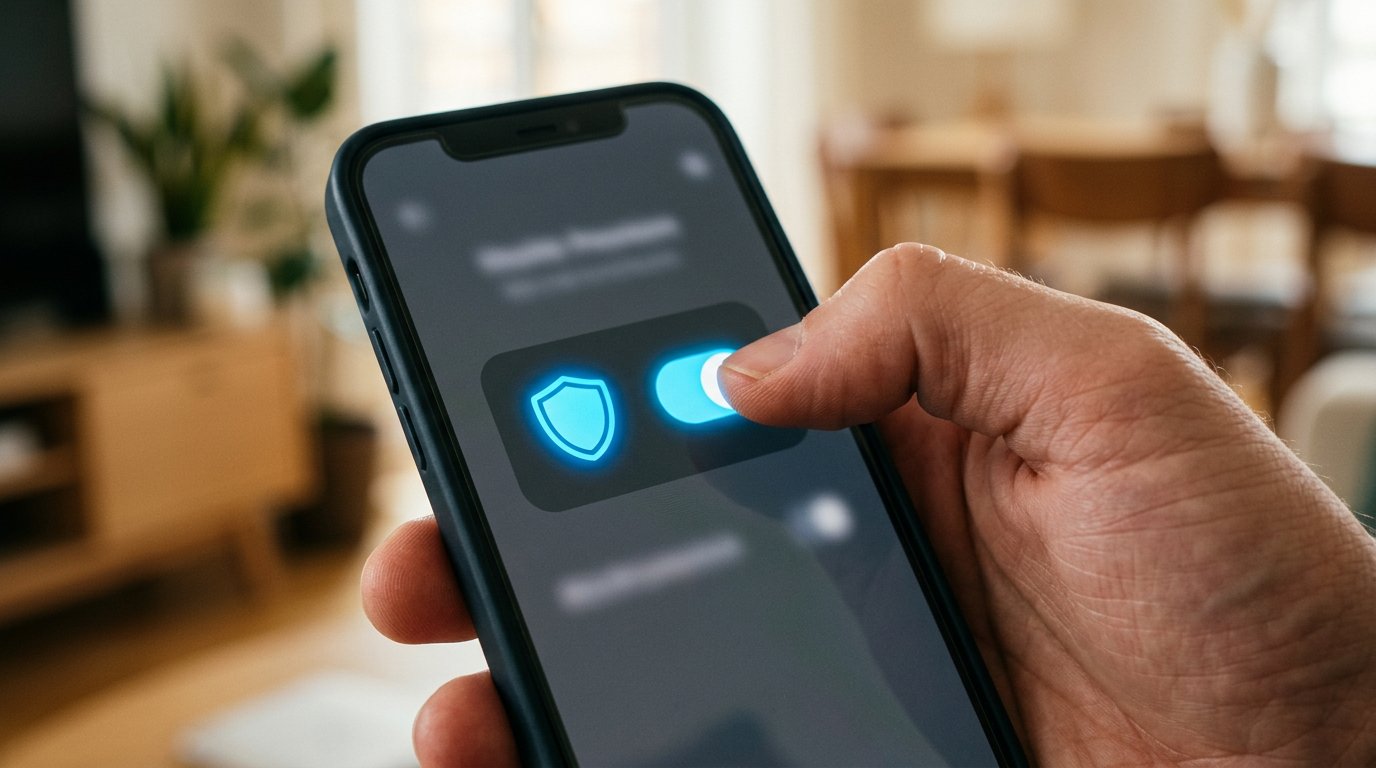
- Deny the contacts permission, always. A lender that refuses to lend without your phonebook has confessed its plan.
- Seven-day money is a machine built to be missed. Licensed tenors are months; predators sell you days.
- Harassed? Screenshot everything, report to the regulator and the police, and tell your people first — before the broadcast does.
The name is the collateral
Every loan on this shelf is secured by something: the bank holds your salary, the family holds your word, the predator holds your phonebook. Choose the collateral you can afford to lose — never the name. The next lesson closes the chapter at the compound's oldest scam, wearing its newest clothes: the money that promises to double itself, and the arithmetic it hopes you never do.