Computer skills from scratch·Making a living·Lesson 135 of 180
Websites for small businesses: a trade you can start this year
 Ellis Dennis GrahamFounder, Cyber Elias Academy 2026-06-01 4 min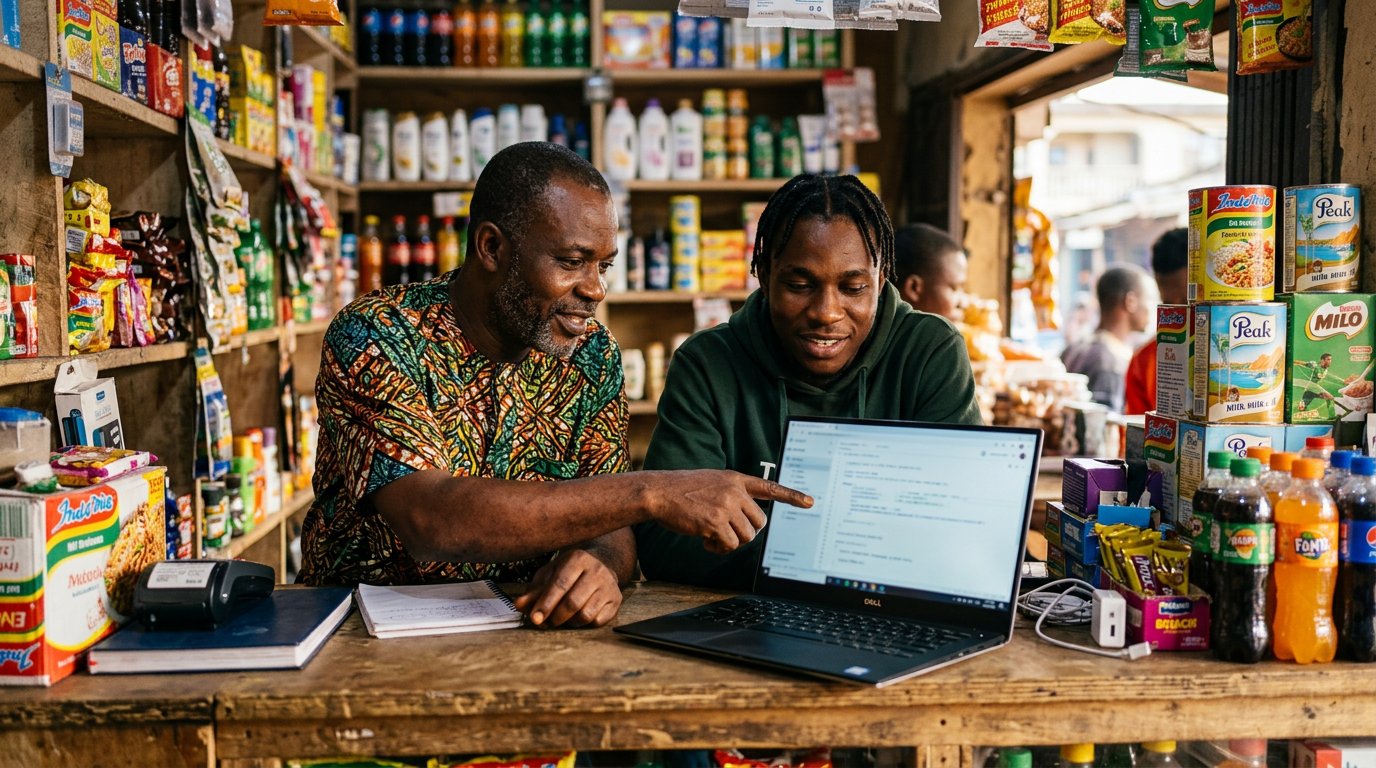
Every shop, school and church needs one honest page on the internet — and somebody local to build and keep it. That somebody can be you, from skills this shelf has already begun.
Walk your own street and count the businesses with no honest page on the internet: the pharmacy, the school, the church, the fashion house with fine pictures trapped in a WhatsApp gallery. Their customers are searching every day, and finding only strangers. Every one of those businesses needs the same modest thing — one clear page that says who we are, what it costs, where we are, and a button that opens WhatsApp — and somebody local to build it and keep it breathing. That somebody can be you. Of all the trades on this shelf, this one starts soonest and pays first.
The skill floor is lower than any hustler will tell you, because the secret is that most small-business sites should be small. A site builder or WordPress — the prepared skeletons the frontend lesson mentioned — covers the majority of cases, and the real craft is not code at all: it is the poster lesson's discipline applied to a whole business. Say the true thing briefly. Put the price where the customer expects it. Make the address findable in one glance. One page done honestly beats five pages done ashamedly, and a button that opens a chat will do more for a Lagos pharmacy than any amount of animation. The frontend lesson's three layers are there when a client genuinely needs more — and by then you will want them.

The money, and how it arrives
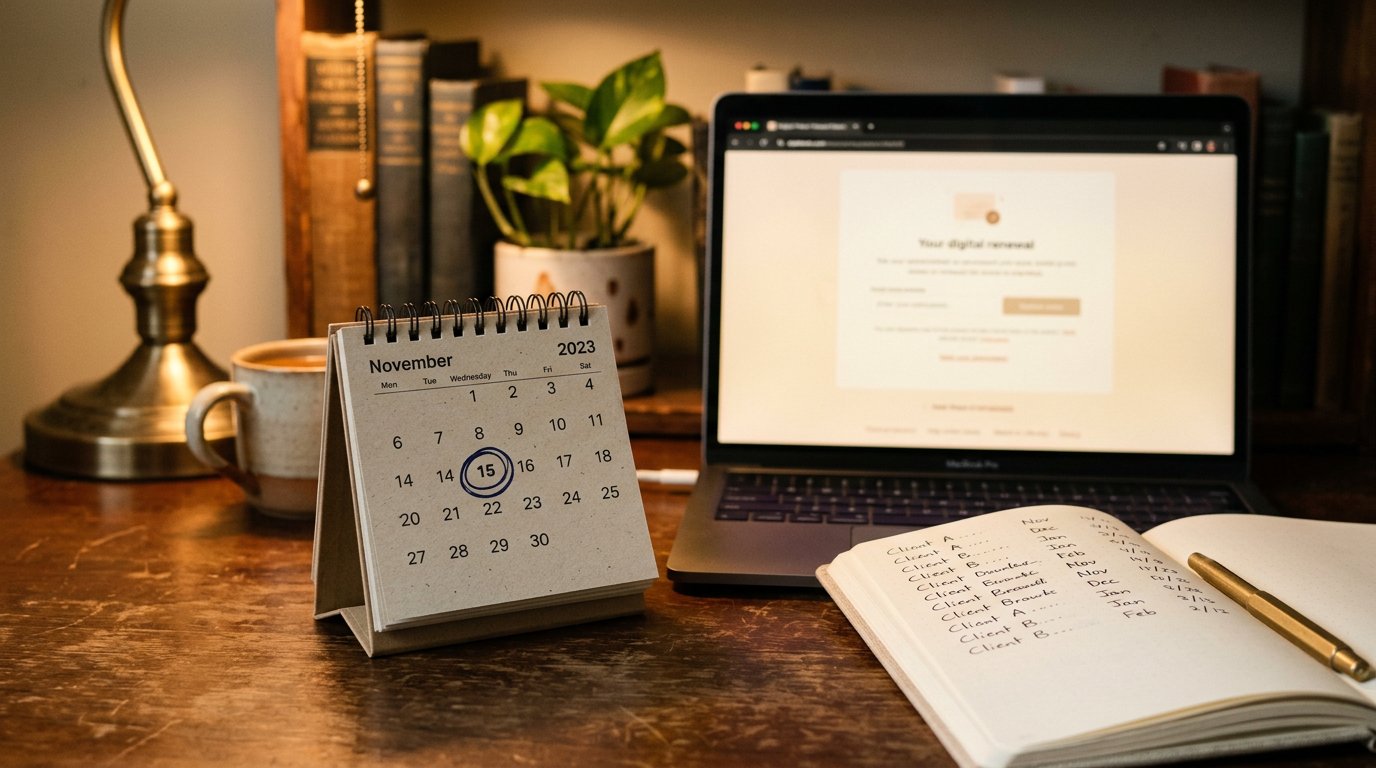
The trade has two rivers of income, and the second is the one beginners undervalue. The build: a first simple site might earn modest money — a fraction of what agencies charge Lagos firms — and it should, because you are buying proof as much as payment. Then the keep: domains expire yearly, hosting renews, shops change prices, and the person who built the page is the person the owner calls — a small standing income for an afternoon's tidying twice a year. Ten kept clients are a quiet salary. The catalog FAQ's arithmetic applies exactly: a domain costs about ten to eighteen thousand naira a year and simple hosting is cheap or free; charge for the work, pass the costs through plainly, and put every number in writing — the pricing lesson's law before it is even spoken.
The road in is the portfolio's road: build the first site for your church free, the second for a relation's shop at cost, the third for the neighbour's school at a fair new price — three live addresses, each with a grateful owner, and you are no longer promising, you are showing. The academy's web design and WordPress courses compress the technical months into weeks with machines and real briefs; the self-taught road costs nothing but evenings and works too. Either way the trade begins where you live, on the street whose businesses you already patronise — and there is a particular satisfaction in walking past a shop and knowing its corner of the internet is yours.
- Pick one real business you patronise and draft its one honest page tonight — words first, tool after.
- Learn one tool properly — a site builder or WordPress — and finish one full practice site before charging anybody.
- Three builds to begin the portfolio: free, at cost, then fair price. Keep every owner's number.
- Put the domain and hosting costs in your quotes plainly. The written number is the whole reputation.
The street is the market
Nobody needs to import this trade. The customers are already within twenty minutes of you, already searched by strangers every day, already paying printers for banners that say less than one honest page would. The developer of lesson one hundred and twenty-eight builds for companies and continents; this trade builds for the street, in afternoons, for wages that compound into a living. One clear page at a time — it is how most of the independent web people you admire actually began.