Computer skills from scratch·The working life·Lesson 144 of 180
Secrets that are not yours
 Ellis Dennis GrahamFounder, Cyber Elias Academy 2026-07-10 4 min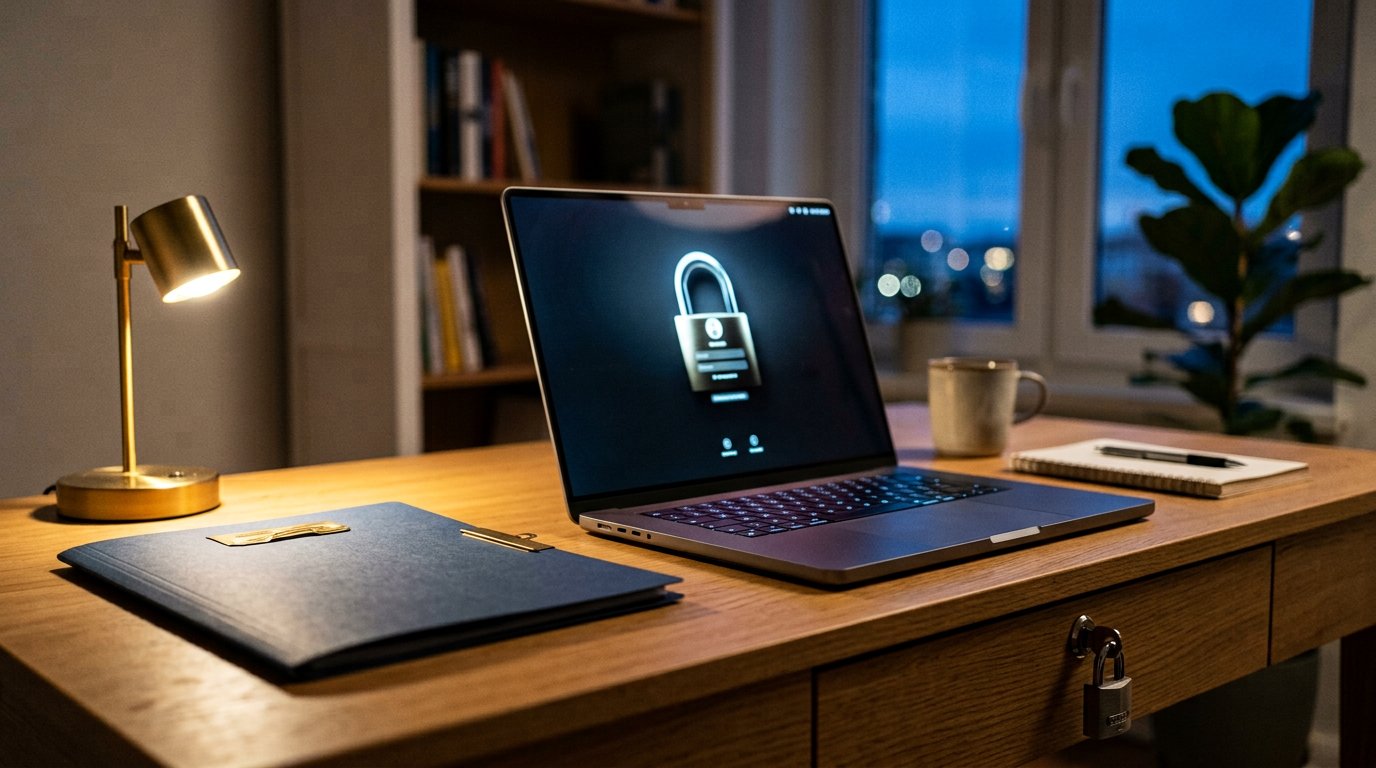
Professional work means holding other people's keys: their data, their logins, their files. Confidentiality in ordinary words — what you may see, what you may keep, what you must never carry.
The moment a client pays you, you begin holding things that are not yours: their customer list, their invoices, their unfinished plans, sometimes their logins. They did not hand these over because they are careless — they handed them over because the work requires it, the way a tailor is trusted with cloth already cut for a wedding. What you do with that trust, between delivery and long after, is called confidentiality, and in every profession on this shelf it is not a legal decoration. It is the trade itself, written down.
The rules, in ordinary words. See only what the work needs: the brief that requires the customer list earns access to the customer list; curiosity about the rest of their files does not. Keep it where it belongs: client work on client folders, on your machine, behind your screen lock — the locking lesson, the shared-machine lesson, all of it now protecting other people's houses, not just yours. Carry nothing away: their files do not travel to your personal Drive, their customer list never becomes your marketing list, and the report you wrote for one client does not moonlight in another proposal. And when the job ends, the keys go back: logins changed or access revoked, your copies of their working files deleted or handed over whole, whichever was agreed. A tailor does not keep the wedding cloth.
Logins, screenshots, and the paper that says secret
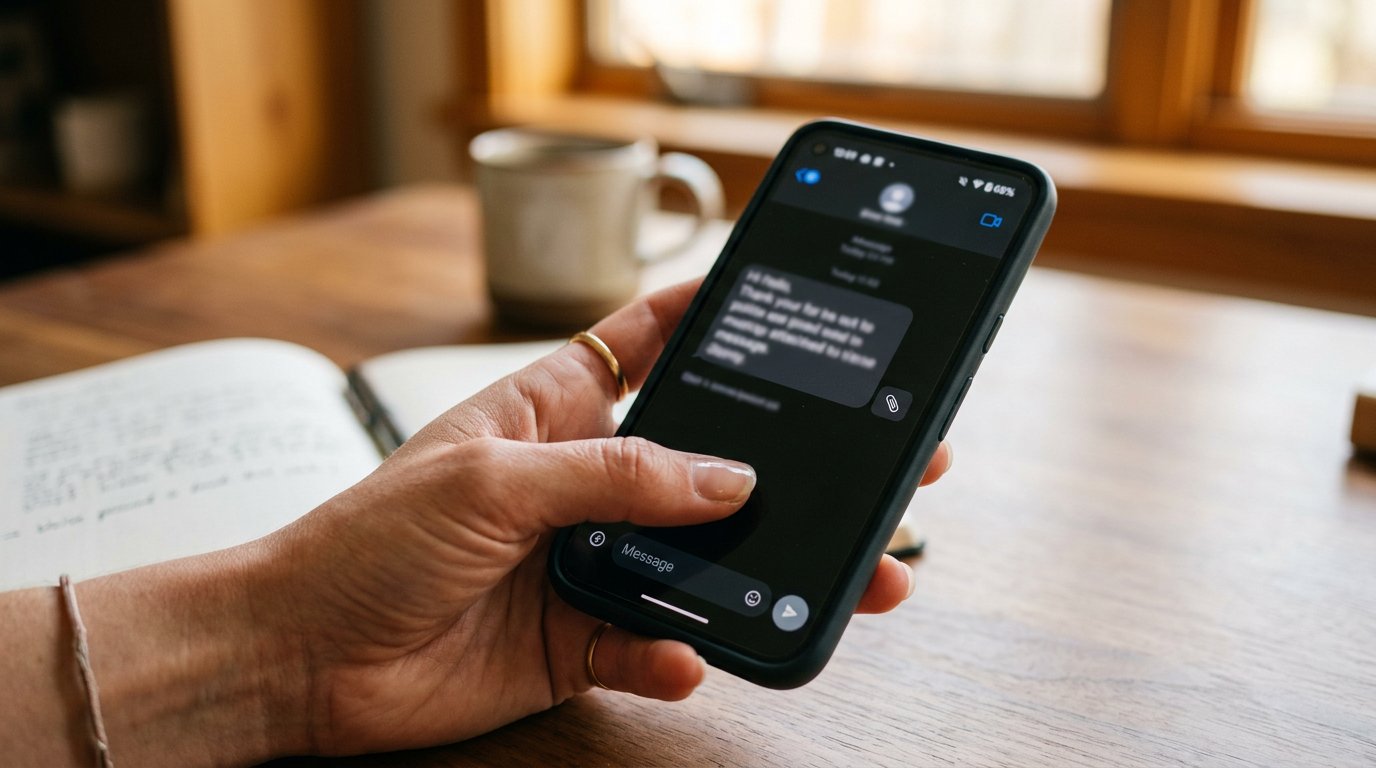
Three situations deserve their own lines. Logins: a client may hand you theirs to do the work — collect it in a way you can return, never reuse their password anywhere of your own, never save it into your personal browser on a shared machine, and ask them to change it when the job ends; better still, ask them to create an access for you that they can switch off. Screenshots for the portfolio: take them with permission, crop the sensitive rows, and remember that one customer's name in a case study is somebody's data — the witness line lesson assumed the client says yes to being shown; the data never did. And the paper: some clients will hand you an NDA — a non-disclosure agreement, a page that says what you may tell others, for how long. Read it the way you read any contract, ask about any line you do not understand, and keep your signed copy with the papers in Drive. The NDA is not an insult. It is their family word, formalised.
And the quiet everyday forms, because the big leaks rarely look dramatic: the project you mention too freely at a beer parlour, the screen facing the window in a café, the file shared to the wrong address — the sharing lesson's one wrong address, now wearing someone else's name. The professional's manner is boring and total: speak of clients' business only with clients, lock everything, share deliberately or not at all. One breach ends a trade career faster than any lack of skill; one kept secret, quietly held for years, is the reason the big clients come. Discretion compounds. So does its absence.

- Audit your access today: every client login, file and folder you hold. Return what the work no longer needs.
- Never reuse a client's password anywhere, and ask for access you can hand back, not keys you must keep.
- Ask permission before any screenshot leaves their work, and crop the data that is not yours to show.
- Signed an NDA? Into Drive it goes, beside the papers. Your copy is the memory that outlives your goodwill.
The trade inside the trade
Skills get you hired once; discretion gets you hired again, quietly, for years, by people who tell other people with money. Every profession that touches other people's machines — the analyst, the support engineer, the web builder, the accountant of lesson one hundred and forty-three — is trusted first and skilled second, because the files can be rebuilt and the trust cannot. Hold other people's secrets like your own OTPs. The street is watching, and it keeps better records than any ledger.