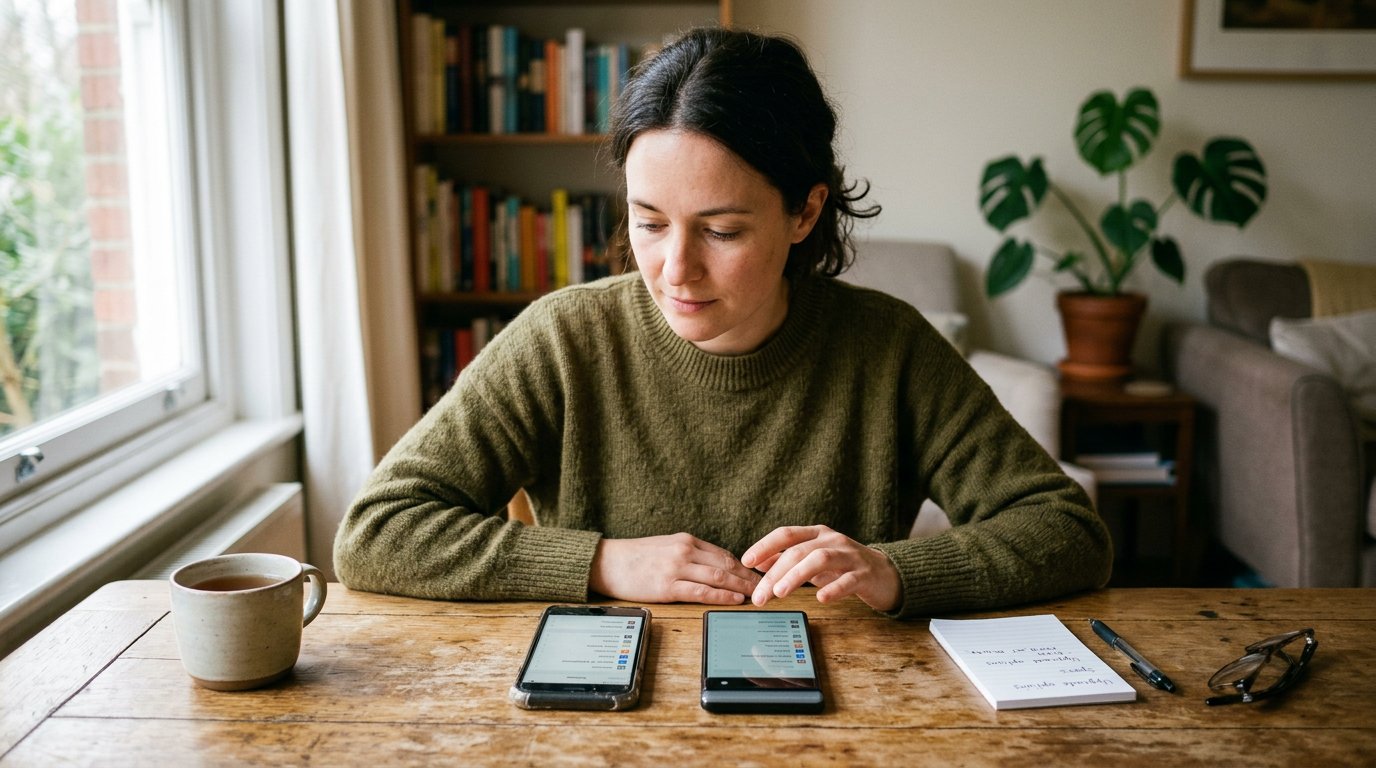
This lesson covers looking up health information online without being misled. You will learn which sources are worth reading, which claims to ignore, and the point at which a person rather than a page is needed.
The internet is good at explaining a condition and bad at diagnosing one. It can tell you what a word means and cannot tell you what is wrong with you.
Before you start
- A question you actually have, in one sentence.
- A browser, and a clinic number if you have one.
- About fifteen minutes.
Sources worth reading
- A national health service page, which explains conditions in plain words.
- The World Health Organization's pages, which are written for the public.
- A teaching hospital's patient information section.
- A clinic or insurer's page, which often names the doctor who wrote it.
- A pharmacist, who is free to ask and knows about medicines.
- Your own clinic's number, which is worth saving in contacts.
You will see a good page name the author and the date it was reviewed, usually at the bottom. A page with no author and no date is a page nobody is accountable for.
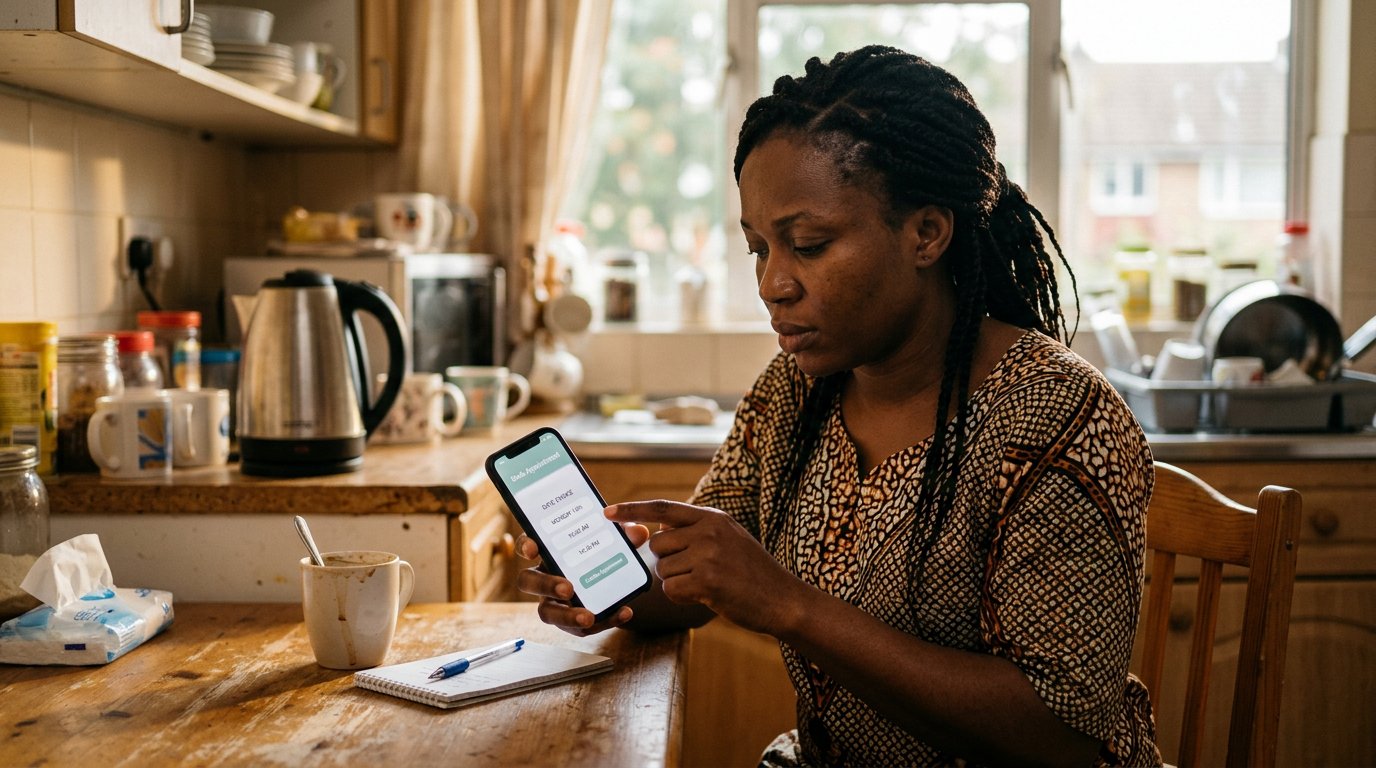
A clinic's booking page will show a phone number and a list of times, with the clinic's name at the top. If there is no address and no number, keep looking, since a page that cannot lead you to a person cannot help you.
It looks like a page with more detail is more reliable. Detail is quick to write, and a named author and a review date are the harder signals to fake.
Claims to ignore
- Anything promising a cure in a fixed number of days.
- A remedy that also treats several unrelated conditions.
- Testimonials instead of evidence, especially with photographs.
- A message that says doctors are hiding this from you.
- Anything sold through a chat account with a personal name.
- A page that asks you to stop taking prescribed medicine.
None of these are automatically false in every case. Together they describe a pattern that sells rather than explains, and the pattern is what to avoid.
Reading without panic
Health pages list every possible symptom, including the rare ones, and reading them at midnight makes any symptom feel serious.
- Read one page, not ten, since ten pages multiply the worst cases.
- Write your question down before you search.
- Look for the section on when to see a doctor, and read that first.
- Ignore the rare conditions until a professional mentions them.
- Note the answers you found, and take them to the appointment.
- Do not search again after eleven at night, which is when fear does the reading.
Do not worry about having looked things up. A patient with written questions gets a better appointment than one who is trying to remember them.
When to see a person
- Pain that is severe, sudden, or getting worse.
- A fever that lasts more than a few days.
- Any difficulty breathing, or chest pain.
- A symptom that frightens you, whatever a page says.
- A medicine question, which a pharmacist can answer today.
- Anything involving a child, a pregnancy, or a long-term condition.
If it goes wrong
Go through them in order.
- You bought a product online: stop using it, and tell your clinic what it contained.
- You stopped a prescription: restart only on advice from a professional, and call today.
- You are frightened by what you read: write the question down, and call the clinic.
- The advice conflicts: trust the source that names an author and a date.
- A relative is sharing a cure: ask for the clinic that recommends it, and wait.
- You cannot reach a clinic: ask a pharmacist, who is the nearest professional.
Practice
Do one search properly, on a small question.
- Write one question in a sentence.
- Search it, and open only a page with a named author.
- Read the section on when to see a doctor.
- Note two facts, with the source and the date.
- Save your clinic's number in contacts.
You can now read health information without being ruled by it. In the next lesson you will build the habit of learning one new thing each month.