This lesson looks at checking the assistant's work. You will learn which facts to verify first, how to use two sources, and the habit that protects your name when the answer is wrong.
A draft is a claim until somebody checks it. The check is short, and it is the difference between using a tool and vouching for one.
Before you begin
- A draft from the assistant.
- Two ways to look something up.
- About fifteen minutes.
What to check first
- Numbers: prices, dates, ages, and quantities.
- Names: people, places, companies, and titles.
- Quotes: any sentence in quotation marks.
- Rules: anything that says what is allowed or required.
- Links: every one, opened rather than trusted.
- The conclusion, which can be sound while a detail is wrong.
You will see a quotation that reads beautifully and is attributed to a person who never said it. Search the words in quotation marks, and if the search returns nothing, treat the line as invented.
The results page will show your words in bold wherever they appear, and that is how you see whether a quotation exists anywhere else. A search that returns nothing at all is the strongest sign that the line was made up.
It looks like a second answer from the same assistant is a check. The same training produces the same mistake twice, so the second source must come from somewhere else.
Two sources, used properly
- Open the official source for anything with rules or prices.
- Use a second, independent source for the same fact.
- Compare the date on each page, since old pages stay online.
- Prefer a page that names its author and its update date.
- Write the fact, the source, and the date in your notes.
- If the two sources disagree, do not use the fact yet.
A page's footer will often show when it was last updated, and that line decides whether a price from 2021 is still a price. Your notes should carry the same date beside the fact.
Keeping your name safe
- Never send a fact you have not checked yourself.
- Say where a figure came from when you quote one.
- Remove anything you cannot confirm rather than softening it.
- Keep the assistant's draft and your edited version, so you can show your work.
- Tell the person you used a tool if the document is formal.
- Read the final version aloud, which catches what the eye skips.
None of this needs a research budget. A browser, a second tab, and a notebook settle most claims in a minute or two.
Do not worry about slowing down. One careful check before sending protects a reputation that took years to build.
When it fails
Each has a cause you can find.
- You sent a wrong figure: correct it at once, in one line, without excuses.
- The quote was invented: remove it, and say the line was misattributed.
- A link is dead: find the same fact in a stable source and update the reference.
- Two sources disagree: say the figure is disputed rather than choosing one.
- The whole draft is shaky: rewrite it from your own notes.
- You cannot remember what you changed: keep both versions from now on.
Try it now
Check three claims in one draft.
- Ask the assistant for a short paragraph with two numbers in it.
- Find the first number in an official source.
- Find the second in a different source.
- Open every link in the paragraph.
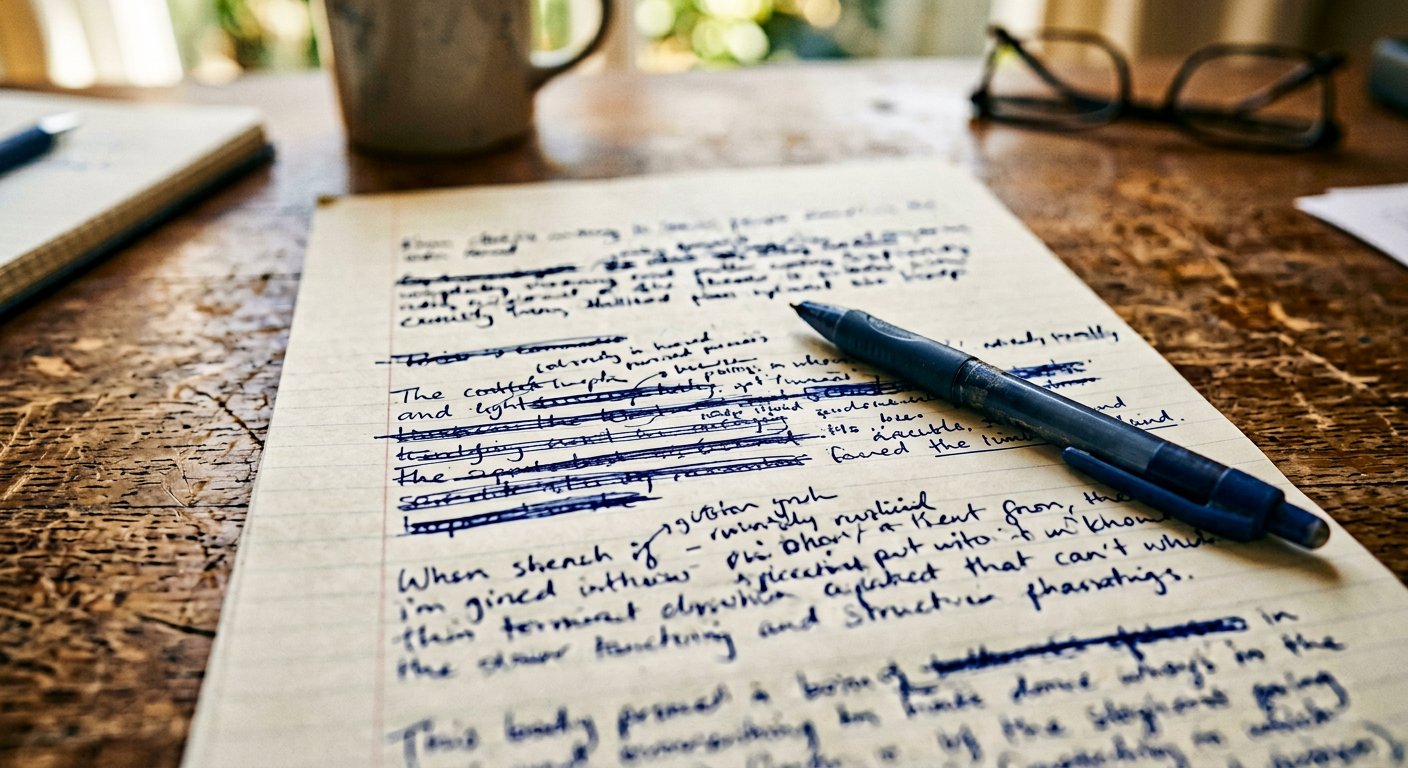
- Correct the draft with a pen, then type the clean version.
You can now use a draft without becoming its guarantor. In the next lesson you will use the tool for study without cheating yourself.