Computer skills from scratch·Where this leads·Lesson 130 of 180
Agile and DevOps: how the teams build
 Ellis Dennis GrahamFounder, Cyber Elias Academy 2026-05-10 4 min
Two words that fill every job advert, explained at a market stall: build small, show early, adjust; and let the people who build carry it live. Agile and DevOps, without the incense.
Every technology job advert carries two words like a password: agile, and DevOps. They sound like philosophy and machinery, and both are simpler than their incense. Start with agile, because you already practise it. The trader who wants a new line of goods does not order a container of a hundred designs and reveal it at Christmas. She buys ten of three designs, puts them out on Tuesday, watches what Onitsha road actually takes, and orders more of what moved by Friday. Small, shown early, adjusted honestly. That is the agile methodology — a way of building anything in short cycles with real feedback, instead of one grand reveal a year late that the market has outgrown.
The old way — the industry calls it waterfall — is the container: plan everything at the start, build for months, present at the end, and pray the market still wants what was planned. Agile answers with the sprint: a short fixed cycle, often two weeks, at the end of which something real and usable exists and is shown to the people who will use it, whose answers steer the next sprint. The rituals you will meet in adverts live inside that frame: the standup — the team standing, a few minutes each morning, each person saying what moved yesterday, what moves today, what is stuck; and the board — the wall of cards in three columns, to do, doing, done, which is the sprint's diary in public. Ask a trader about her Tuesday and she will describe the board without the vocabulary.
DevOps: the builder carries it live
DevOps — said as one word, a marriage of development and operations — fixes an old divorce. The builders wrote the program and threw it over the wall to a separate team who ran it; the runners met the problems, the builders met the complaints secondhand, and the wall between them was where fixes went to die. DevOps ends the divorce: the people who build carry it live, and the people who run it build the running. Its most famous machinery is the pipeline — the conveyor that carries finished work to the street automatically: code is checked, tested, and delivered live in small steps, so that releasing a change is a Tuesday habit rather than a midnight ceremony with candles and prayers.
The practices behind the word, named so adverts read plainly: continuous integration — every builder's work joins the shared house daily and is tested as it arrives, so surprises are caught the day they are born; continuous delivery — the conveyor to live, fed constantly, each small step reversible; monitoring — the sensors lesson grown up, watching the live thing and shouting before the customers do; and automation everywhere, because a machine that does the same steps identically every time is the opposite of the tired Thursday technician. When an advert says DevOps practices, it means exactly this list, and you may now read the sentence without blinking.
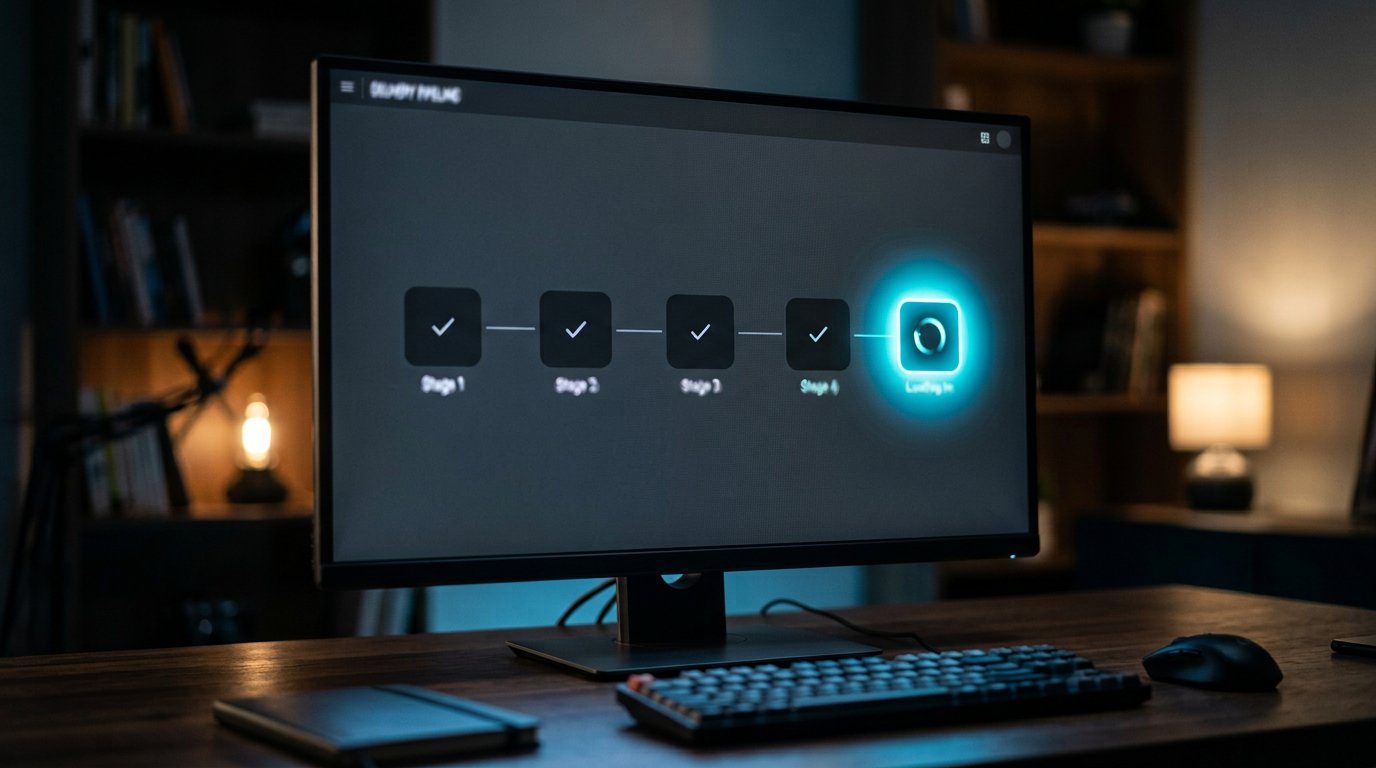
- Say agile at the market's tempo: small, shown early, adjusted honestly. Two weeks, something real, real feedback.
- Standup, sprint, board — three words you already own the meaning of. Use them at your next job interview with a straight back.
- DevOps in one sentence: the builders carry it live, the runners build, and the conveyor makes it a habit.
- Try the method on anything of your own this week — the shop's stock, the church project. Two-week cycles need no software to begin.
The shelf, from the first sitting to the street
And so the chapter closes where the reader now stands: at the edge of a world whose vocabulary you hold. The analyst and the room that never sleeps, the ledger and the gate that trusts nobody, the fence walk, the grammar of the roads, the seal that cannot be photocopied, the stall, the teaching room, and the teams that build in Tuesdays. None of it was magic; none of it was closed to you; it was only never explained at this table before. The notes end here for now — but the reader who began at lesson one, afraid of the power button, has just read the job adverts without flinching. Walk into any of these rooms and say you came from the shelf. Then come back and tell us which chair fit.