This lesson walks through your first paid client, from the first message to the final invoice. You will ask the right questions, send a short quote, take a deposit, deliver, and follow up. Each step is small, and none of them needs confidence you do not have yet.
Most first jobs go wrong at the same two points: the work was never clearly described, and the money was never clearly agreed. A written quote fixes both before anything starts.
Before you start
- One service you can describe in a sentence.
- A bank account that sends alerts.
- About twenty minutes to read, and one week to practise.
The first message
- Reply within a day, even if the answer is that you will send a quote tomorrow.
- Ask what they need, who it is for, and when it must be ready.
- Ask what they have already: photographs, text, or an old page.
- Ask what a good result would look like to them.
- Repeat it back in one sentence and ask them to confirm.
- Do not quote a price in the first message, since you have not seen the job.
You will see the job get smaller as the questions are answered. A request to build me a website often turns out to be one page with a phone number on it.
It looks like asking questions makes you seem unsure. It makes you seem careful, and clients pay more for careful than for confident.
The quote, in six lines
- What you will deliver, listed plainly.
- What is not included, so the list has an edge.
- The price, in naira, with no hedging.
- The deposit, usually half, and when the balance is due.
- The delivery date, and what you need from them to meet it.
- The number of changes included, such as two rounds.
The quote will fit on one phone screen, which is where most clients will read it. A client who can read it in ten seconds answers in ten minutes.
The client's reply will appear as a short message, often only the word ok. Keep it in the same thread as the quote, so the agreement sits above the work in one place.
Do the work, then deliver
Send one update halfway, so the client is never surprised at the end.
- Start only after the deposit arrives in your account.
- Send a short progress message when half the work is done.
- Deliver in the format they can open, usually a PDF or a link.
- Include a two-line note saying what changed and what to do next.
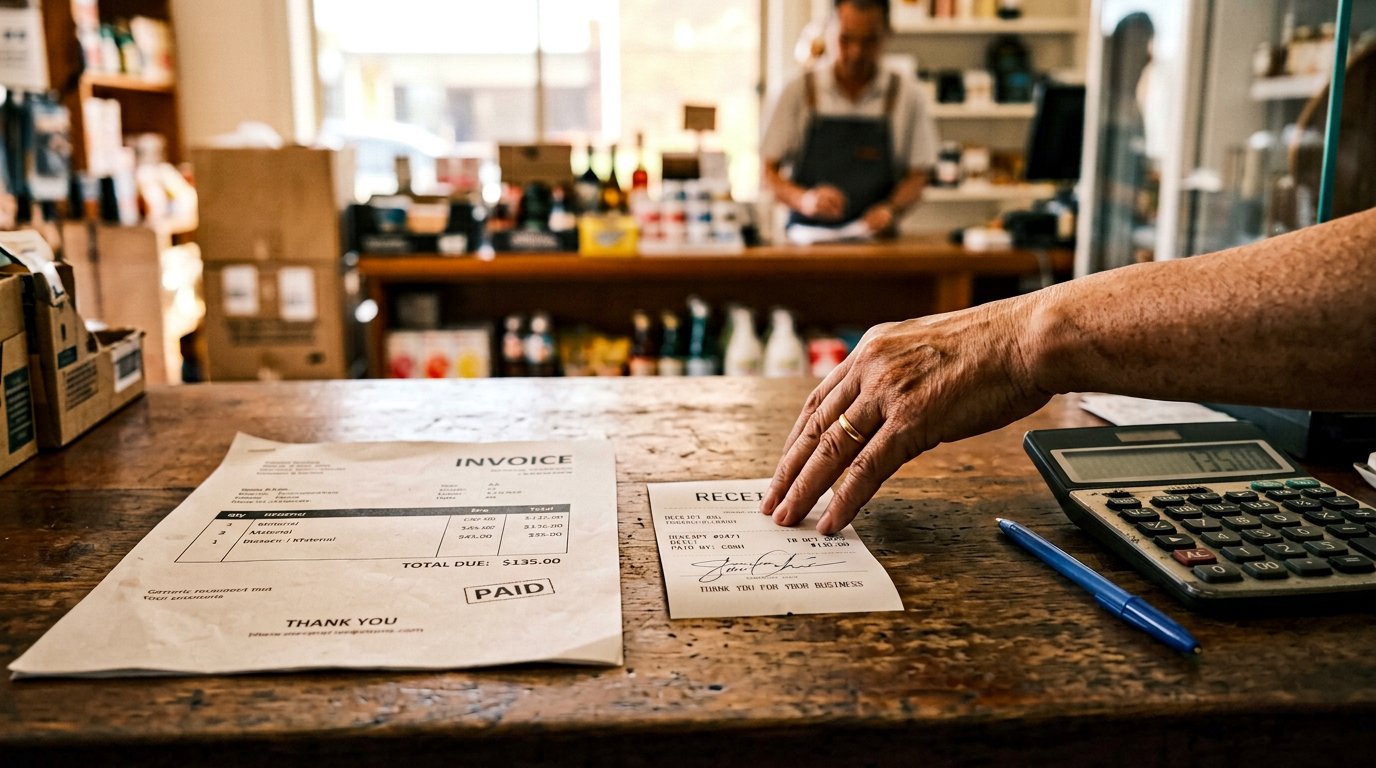
- Send the invoice with the delivery, not after a reminder.
- Ask for one sentence you can use as a testimonial.
None of this is extra admin. Each message is the evidence that the work was done, and evidence is what settles a dispute without an argument.
Do not worry about the client being silent for a day. Silence during the work is normal, and silence after the invoice is when you follow up.
After the money arrives
- Send a one-line thank you, with the date of the next review if there is one.
- Ask whether they know anybody with the same problem.
- Note the job in your records: client, amount, date, hours.
- Keep the files and the messages in one folder.
- Follow up once after a month to check the work is still fine.
- Ask for the testimonial again if they forgot, which most people do.
If it goes wrong
All of these are fixable.
- They ask for a discount: offer less work at a lower price, rather than the same work for less.
- They add a new request: quote it as a separate line, politely.
- The deposit never comes: do not start. Say you are holding the slot for three days.
- They pay late: keep the final files until the balance clears, as the quote states.
- They are unhappy with the work: ask which part, fix that part once, and note it for next time.
- They disappear: send one firm message, then close the job and keep the deposit if the terms allow.
Practice
Rehearse the whole job once before money is involved.
- Write your six-line quote template.
- Write the three questions you will ask every client.
- Do one small job for a family business, unpaid, and follow every step.
- Send yourself a mock invoice and check the reference number.
- Ask that family member for the testimonial sentence.
You can now take a job from message to payment without guessing. In the next lesson you will use AI tools without letting them make decisions for you.