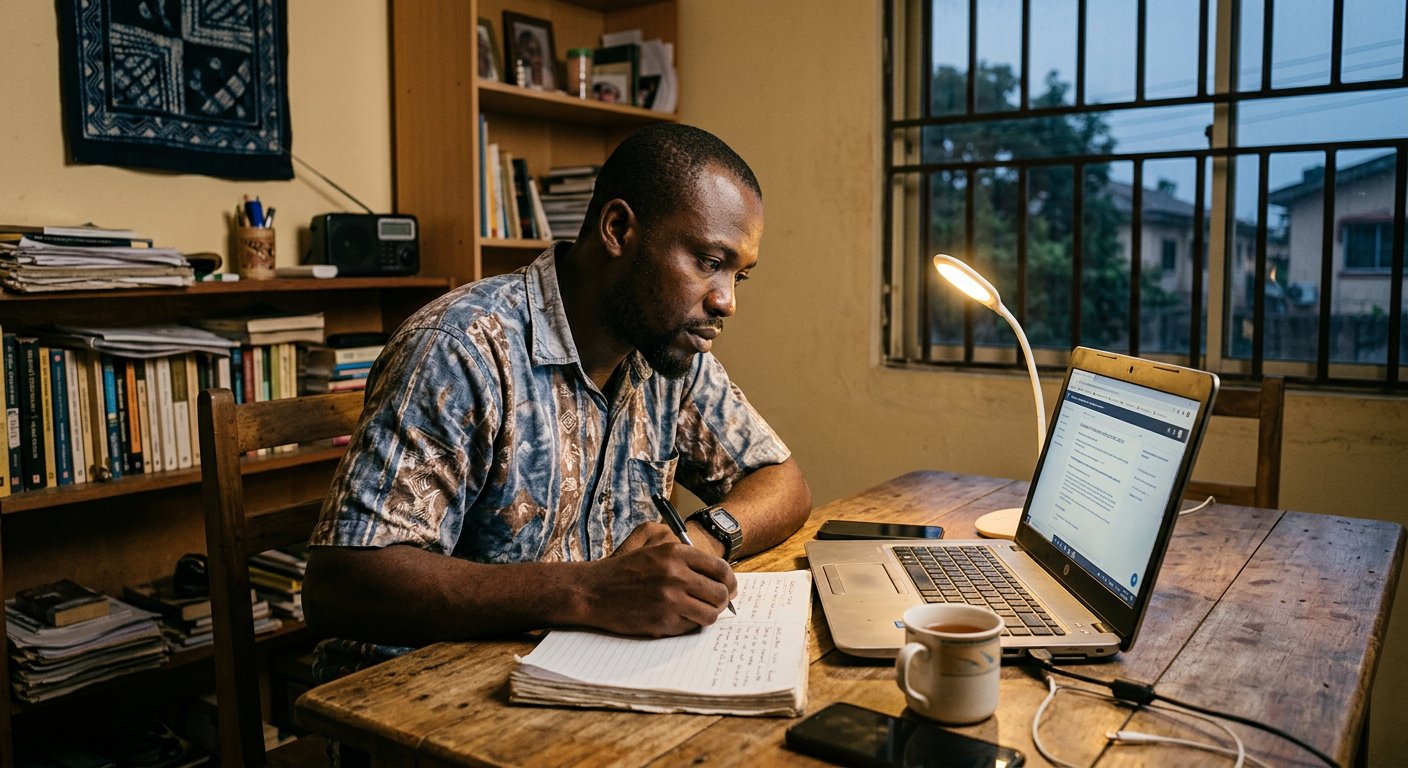
This lesson is about learning faster than you expect. You will learn a practice loop that fits a busy week, why spacing beats cramming, and how a small finished project teaches more than a long course.
Learning happens when you try, fail, and try again with attention. Watching somebody else do it feels like learning and leaves very little behind.
What you will need
- One skill you want, named plainly.
- Thirty minutes a day for two weeks.
- A notebook and a pen.
The loop
- Watch or read one small piece, then stop.
- Do it yourself straight away, with the material closed.
- Compare your attempt with the example.
- Write the mistake in one line.
- Repeat the same piece tomorrow before adding anything new.
- Review the mistakes once a week.
You will see the second attempt improve without any new teaching, and that improvement is the loop working. Doing beats watching at every stage.
It looks like a long course teaches more than a short practice. A finished small project teaches more than a finished long video, because the project makes you decide.
Spacing and recall
- Learn a piece, then leave it for a day.
- Recall it from memory before opening the notes.
- Review after two days, then after a week.
- Write questions for yourself, and answer them without looking.
- Mix old material with new, instead of finishing one topic completely.
- Keep the sessions short enough to repeat tomorrow.
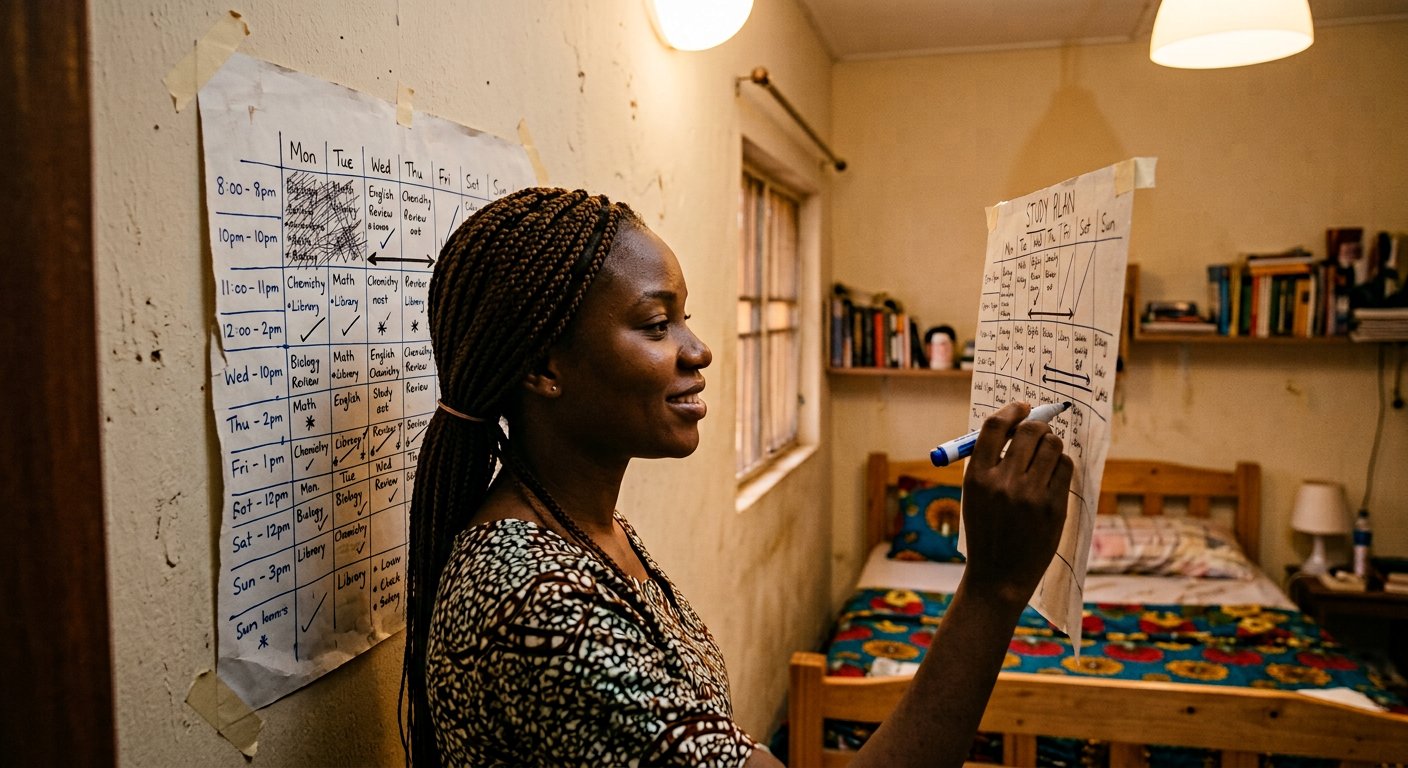
A page of your own questions will show which ideas survive a night and which do not. The ones that vanish are the ones to review, and the rest can wait.
You will see those questions on the page when you open your notes, and the ones you cannot answer are tomorrow's work. A page of questions is a better study plan than a page of highlights.

Teach it back
Explaining a thing out loud finds the gaps faster than reading it again.
- Explain the topic to somebody who does not know it.
- Use your own examples, not the ones in the video.
- Notice the moment you reach for a word you cannot define.
- Write that word down, and learn it next.
- Explain it again the following week.
- Keep the explanation short, under two minutes.
A short first project is the test of the loop. Choose something you can finish in a week, such as one page, one short interview, or one small repair, and finish it before starting anything larger.
None of this needs a paid course. A notebook, thirty minutes, and one person who will listen cover the whole method.
Do not worry about learning slowly. Most people who seem quick are repeating the same small loop, and the loop is available to you today.
Troubleshooting
Work through the list below.
- You miss a week: start again with the smallest session, not the biggest.
- You forget everything: the spacing was too long, so review sooner.
- You are bored: the piece is too large, so cut it in half.
- You are busy: do ten minutes rather than nothing, and mark the calendar.
- You cannot find a project: build the smallest useful version of the thing.
- You compare yourself with others: compare with your attempt last week.
Your turn
Run the loop for one week on one skill.
- Name the skill in one line.
- Choose the smallest first piece.
- Do it with the material closed.
- Write yesterday's mistake before today's practice.
- Explain the week's work to somebody on Sunday.
You can now learn on purpose rather than by accident. In the next lesson you will look at the work that changes and the work that stays.